
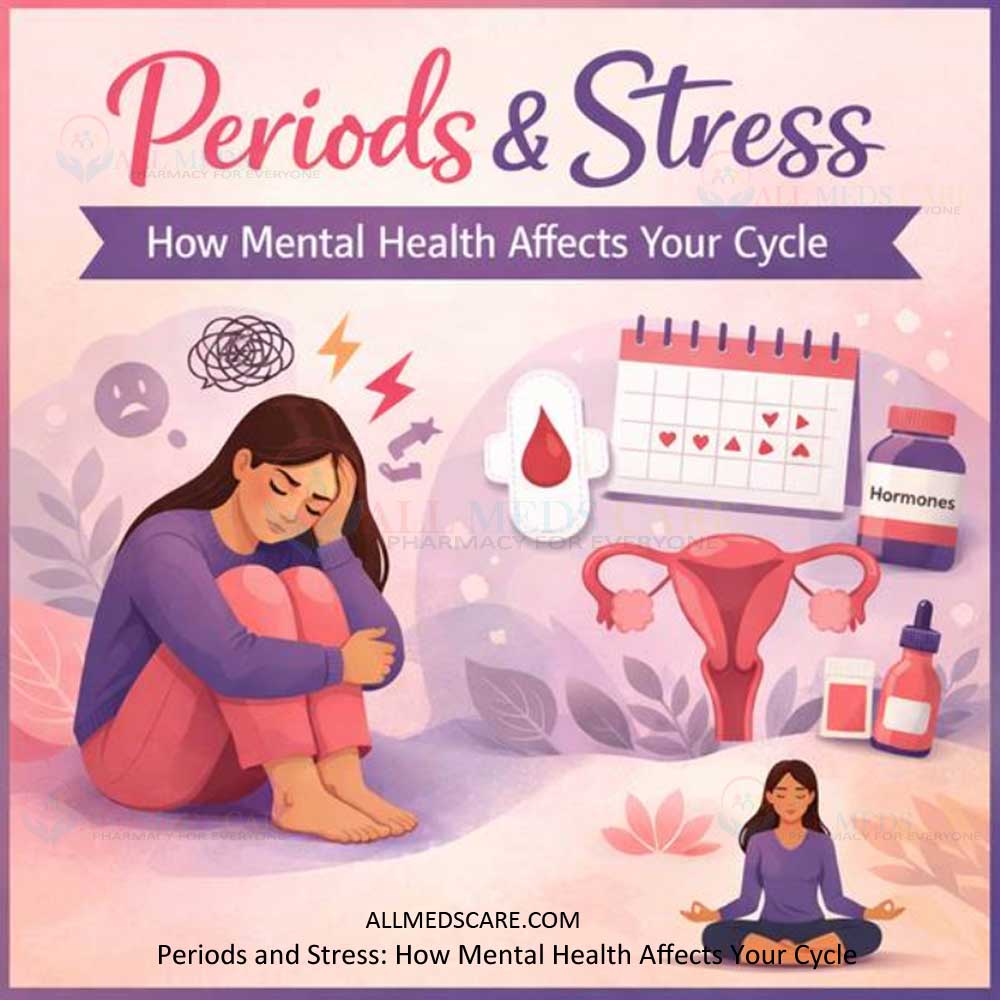

Periods are not a physical process like a day or a week, but they are rather linked very closely to mental and emotional health. Menstrual cycle may be delayed, missed, excessive bleeding, or painful due to stress, anxiety, depression, and other mental problems. This information about the relation between periods and stress can help you to know how you change throughout your period and take measures to preserve not only your mind but also your reproductive health.
Periods are more than just a monthly physical process- they are closely connected to your mental and emotional well-being. Stress, anxiety, depression, and other mental health challenges can significantly influence your menstrual cycle, sometimes causing late periods, missed periods, heavier bleeding, or increased pain. Understanding the relationship between periods and stress can help you recognize changes in your cycle and take steps to protect both your mental and reproductive health.
Understanding the Mind-Body Connection
Hormones regulate the menstrual cycle, which is governed by the brain (cycle). Hormones such as estrogen and progesterone are released by the Hypothalamus Pituitary Gland and the ovaries. Stress does not have a minimal impact on this system.
Under stress, hormones such as cortisol and adrenaline are released by your body (hormones). High levels of these hormones can be produced. Feeling overwhelmed does not suggest that your body is functioning optimally. A high concentration of cortisol could cause the ovulation and menstruation hormones to become disrupted. Stress, therefore, has a direct effect on your period timing, period flow and period symptoms.
How Stress Can Delay or Stop Periods?
Delayed or missed periods are one of the most prevalent ways that stress can influence the menstrual cycle. The body will not need reproduction because it views the stress as a threat to life. This has the power to inhibit ovulation temporarily, resulting in a late or missed cycle.
Minor changes in the cycle may be brought about by short-term stresses like exams, traveling or work pressure. However, chronic stress can cause long-term menstrual abnormalities in women because of continuous anxiety, relationship problems, economic problems or burnout. In severe cases, it can lead to amenorrhea (absence of periods) caused by stress.
Stress and Heavy or painful periods
Stress does not necessarily prevent periods; it may also make them worse. Heavy bleeding, increased cramps, or increased time in stressful situations are observed by many people. High levels of stress hormones may enhance inflammatory processes, muscle tension that enhances pain during menstruation and increased tension in the uterus.
The premenstrual symptoms are also aggravated by stress and become worse because of this. Mood swings, irritation, headache, exhaustion and hunger may be compounded when the mental health is affected. Stress can have a profound effect on emotional symptoms (depression, anger or anxiety) in premenstrual dysphoric disorder (PMDD) patients.
Depression, Anxiety and Menstrual Changes
Problems with mental well-being, such as anxiety and depression, can disrupt your menstrual cycle (health matters). Hormonal signals necessary for a normal cycle may be hindered by stress caused by anxiety. Unpredictable periods or increased discomfort should not occur.
Sleep, appetite, and energy levels can be influenced by depression (mental state). Irregular cycles or intensified PMS symptoms may be experienced by individuals suffering from depression. It’s not uncommon for those affected to find relief elusive.
The Impact of Stress on Hormones
Stress changes not only cortisol levels. It is able to interfere with insulin, thyroid hormones, and reproductive hormones, all of which are needed to have a healthy menstrual cycle. Stress may cause a decrease in the progesterone level and irregular intervals between periods or spotting.
In addition, the lifestyle changes under the influence of stress (poor diet, insomnia, excessive consumption of caffeine, or physical activity) can impact hormonal health. Over time, these can increase the risks of developing such disorders as polycystic ovary syndrome (PCOS) or worsen menstrual issues.
Stress, Periods, and Teenagers
Menstrual changes due to stress are especially prone in teenagers. In adolescence, there is a prolonged process of hormonal changes, so emotional stress cycles are more attuned. The regularity of the period in teens can be caused by educational stress, social problems, body image, and life’s drastic transitions.
It’s common for teenage periods to be irregular in the first few years, but persistent missed periods, severe pain, or heavy bleeding should not be ignored. Supporting mental health during adolescence is essential for long-term reproductive well-being.
How to Support Your Mental Health and Cycle.
Stress may also be dealt with in order to balance out your menstrual cycle. Little lifestyle changes can bring significant differences.
One of the steps, which should be of primary importance, is giving priority to sleep. Sleep deprivation contributes to cortisol and changes hormone production. Aim at getting a regular good sleep at night to ensure that you are mentally and hormonally fit.
Exercise will relieve stress and enhance blood circulation, which will relieve the pain in the period and stabilize the mood. Light exercises like walking, yoga or stretching would also be of practical assistance in your time.
The role of nutrition is also important. A well-balanced and nutritional diet that is high in whole foods helps in hormone production and energy. Foods high in magnesium can be incorporated to reduce stress and cramps, and the food high in iron help in loss of blood during such periods.
Meditation, deep breathing, journaling or walking in nature are all mindfulness practices that relax the nervous system and reduce the stress hormones. Even a few minutes a day could contribute to the strengthening of emotions.
When Stress and Period Problems Need Medical Attention?
Whilst it is a normal occurrence that there are occasional changes due to stress, a medical practitioner must assist in assessing the continuous menstrual issues. You have to visit a doctor in case you miss some of the periods over several months, experience a lot of pain, a lot of blood, or if you believe that something strange has happened to your cycle.
Professional mental health help could be life-changing to the extent that your daily life is being disrupted by stress, anxiety, or depression. It is through therapy, counselling or medical care that the stress levels can be regulated, which will help in improving the overall health, including the activity of the menstrual cycle.
Breaking the silence on Mental Health and Periods.
The two factors are mental health and periods, which are closely related but are likely to be stigmatized. Open discussions will make such experiences normal; it will help give the thought that people need not be embarrassed to seek help. Having an understanding of the involvement of mental health in your cycle will make you be mindful of your body and take care of it.
One may want to make a diary regarding menstrual cycle, mood, stress, and lifestyle decisions. This awareness may later make you become aware of the trends and make healthy choices.
Final Thoughts
The effect of mental health and stress on the menstrual cycle is very supportive. The effects are real and considerable, whether delayed or developed into more pain and emotional symptoms. By taking adequate mental care, learning to manage stress, and having the desire to seek outside assistance, when necessary, you will be able to make your menstrual cycle healthier and more balanced.
Your period is not simply a physical phenomenon, but it is also an indicator of your overall health. Helping your body by helping your mind gives a better background to overall longevity.

About John Davis
Healthcare Writer & Medical Content Author
John Davis is a content creator in healthcare with a career at AllMedsCare that consists of writing articles with knowledge for patients on pharmaceutical topics, health issues related to men and women’s health, sexual health during pregnancy, procedures, exercising, and... Read More
View all posts by John Davis


