
Early Signs of Lymphoma You Should Never Ignore

Lymphoma, which arises from lymphatic tissue and affects numerous parts of the body that make up the immune system, could show itself in any part of the body. Because of this, vast areas of your lymphatic system (like lymph nodes, spleen, or marrow) are affected by lymphoma, making early diagnosis a challenge.
Recognizing these early warning signs is key to improving survival rates from lymphoma, as many signs may appear to be milder than they really are or mimic other non-lymphoma related diseases and so are often missed. Being aware of early warning signs is essential to enable you to seek medical attention sooner and receive an accurate diagnosis before lymphoma has had an excessive opportunity to spread in the body.
What Is Lymphoma?
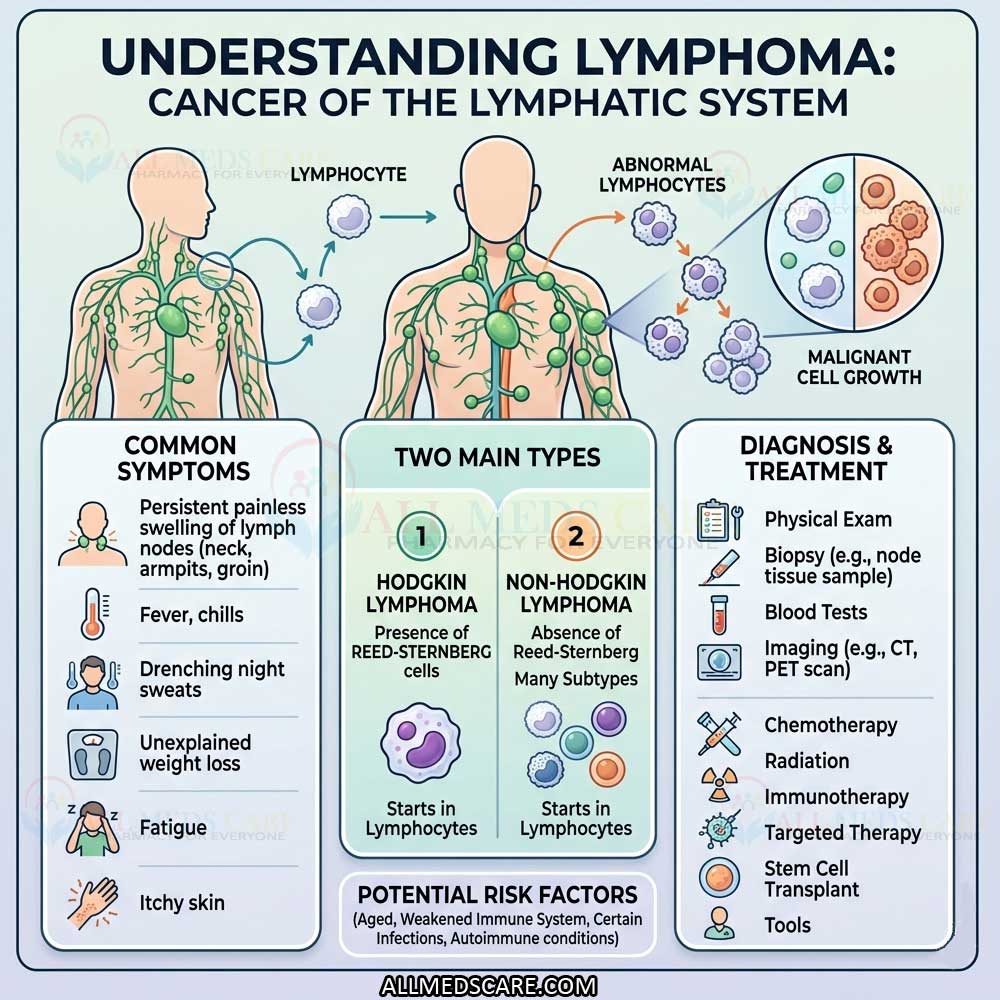
Lymphoma is defined as the abnormal growth, or proliferation, of lymphocytes – the body’s white blood cells. Doctors classify lymphomas into two broad categories:
- Hodgkin lymphoma
- Non-Hodgkin lymphoma.
Each category has numerous subtypes, and the way that lymphoid malignancies progress, its symptoms, and how they are treated can vary greatly among these subtypes; therefore it is very important to be aware of the early signs/symptoms of each class, regardless of type (Hodgkin or Non-Hodgkin).
Why Early Detection Matters?
Detecting lymphoma in its early stages significantly improves treatment success rates. Early intervention can:
- Prevent the spread to other organs
- Reduce treatment complexity
- Improve survival rates
- Enhance quality of life
Ignoring the warning signs of an early case may delay the diagnosis, resulting in disease progress to advanced stages.
Common Early Signs of Lymphoma
Swollen Lymph Nodes
Swollen lymph glands (nodes) are among the most obvious indications of early lymphoma.
Swollen lymph nodes may also appear in the following areas:
- Neck
- Armpits
- Groin
Although swollen lymph nodes can be an indication of an infection, the difference between swollen lymph nodes due to infection versus lymphoma is that swollen lymph nodes due to lymphoma:
- Do not hurt
- Persist for weeks
- Gradually increase in size
These swollen lymph nodes may be the first ‘red flag’ that someone should not overlook.
Unexplained Fatigue
The other first sign can be tiring that does not go away with resting and can be described as experiencing:
- Feels overwhelming
- So much that it affects your daily life
- Persists without a clear cause
This type of fatigue may result from an overstimulated immune system or the change in the metabolism that occurs as a result of cancer.
Unexplained Weight Loss
Unexplained weight loss may signal a potential health complication such as cancer if you haven’t made any changes to how much you eat and exercise.
Warning threshold:
- If you lose over 10% of your total body weight in a very short period (usually about 6 months) that’s time to see a doctor
This symptom is indicative of your body’s increased energy requirements caused by the presence of a malignant tumor.
Night Sweats
Extreme perspiration at night time, which drenches your clothes as well as your sheets, typically is one of the main symptoms of a disease.
What makes it different from just normal sweating is that this kind of sweating:
- Occur frequently
- Are intense
- Causes interruption of sleep
Usually, this sort of sweating can be directly related to an abnormal condition of lymphocytes.
Persistent Fever
Recurring low-level fever without an identifiable infection can be a sign.
Characteristics include:
- It comes and goes (as in classic lymphoma)
- No obvious reason for it
- Chills may accompany this (usually the temperature is on the low side)
It may be caused by your immune system reacting to a blood-born infection or even just inflammation instigated by the tumours themselves.
Itchy Skin (Pruritus)
Itching without an apparent cause can frequently have no associated rash as an initial presentation, particularly with Hodgkin lymphoma (HL).
- Generally, the whole body may be affected.
- It usually worsens during the nighttime hours.
- It can often occur despite treating other conditions.
While itching is commonly ignored, prolonged itching should be evaluated if there are any further symptoms present.
Shortness of Breath or Chest Pain
If lymphoma is found in any lymph nodes that are located in the thorax, it can lead to:
- Difficulty breathing
- Chest discomfort
- Persistent cough
This occurs because the swollen lymph nodes are pushing on the lungs & the branches of the trachea.
Abdominal Pain or Swelling
Lymphomas that have affected organs (e.g., spleen) or lymph nodes in the abdomen often present with:
- Bloating
- Pain
- Feeling full quickly
These symptoms may also lead to reduced appetite.
Less Common but Important Symptoms
Individuals may also experience other or additional signs, including:
- Frequent infections
- Bruise easily or bleed easily
- Persistent cough
- Bone pain
While these signs may be less specific in nature, do not disregard the occurrence of these signs with other warning signs.
Risk Factors
If you understand your risk factors, identifying your susceptibility will be easier.
The following are risk factors:
- Weakened immune system (e.g., autoimmune diseases)
- Chronic infections
- Family history
- Age (risk increases with age for certain types)
- Exposure to chemicals or radiation
Importantly, these risk factors do not guarantee that you will get lymphoma, but some people can develop the disease without any of the above risk factors.
When Should You See a Doctor?
If you have any of the following symptoms:
- swollen lymph nodes that have not resolved within 2 to 3 weeks
- long-lasting fatigue / fever
- Unexplained weight loss
- Severe night sweats
- A cluster of multiple symptoms
Early physician consultation helps facilitate comprehensive diagnostic work-ups such as blood tests, imaging studies, and biopsies when indicated.
Diagnosis and Screening
When a person may be suffering from lymphoma the primary method of diagnosis is based upon:
- Physical examination
- Blood tests
- Imaging scans (CT, PET scans)
- Lymph node biopsy
Biopsy continues to be the gold standard for diagnosing lymphoma.
Can Early Symptoms Be Mistaken?
Yes, many of the earliest signs can be misdiagnosed or mistaken for a variety of common medical issues, including:
- Viral infections
- Stress-related fatigue
- Allergies
- Minor illnesses
Because of the similarities between the symptoms and many other illnesses, many people will ignore or misdiagnose their symptoms. One of the most important things to look for is any combination of symptoms that are persisting.
Prevention and Awareness
While lymphoma cannot always be prevented, you can reduce risk by:
- Keep your immune system healthy
- Manage long-term or chronic diseases
- Reduce your exposure to toxins and carcinogenic chemicals
- Staying informed about symptoms
Regular preventive visits, or checkups, with a doctor, along with awareness of your own health status are both necessary to detect cases of lymphoma before they progress beyond the early stages.
Summary
While Lymphoma may be perceived as an unusual and serious disease, most cases may be treated without severe complications if they are diagnosed early. One of the difficulties regarding Lymphoma (as well as other types of Cancer) is identifying Lymphoma when it develops from symptoms that do not seem like Lymphoma or from Lymphoma when there are no obvious indications of this illness.
If you notice any changes in your body that don’t feel “right” or are otherwise unusual, you should consult your physician. The sooner you assess these symptoms and seek treatment, the more important they will become to your well-being.
Knowing what Cancer is and the Symptoms & Signs of Lymphoma will enable individuals to take better care of themselves and save themselves from life-threatening illnesses.

About John Davis
Healthcare Writer & Medical Content Author
John Davis is a content creator in healthcare with a career at AllMedsCare that consists of writing articles with knowledge for patients on pharmaceutical topics, health issues related to men and women’s health, sexual health during pregnancy, procedures, exercising, and... Read More
View all posts by John Davis


