
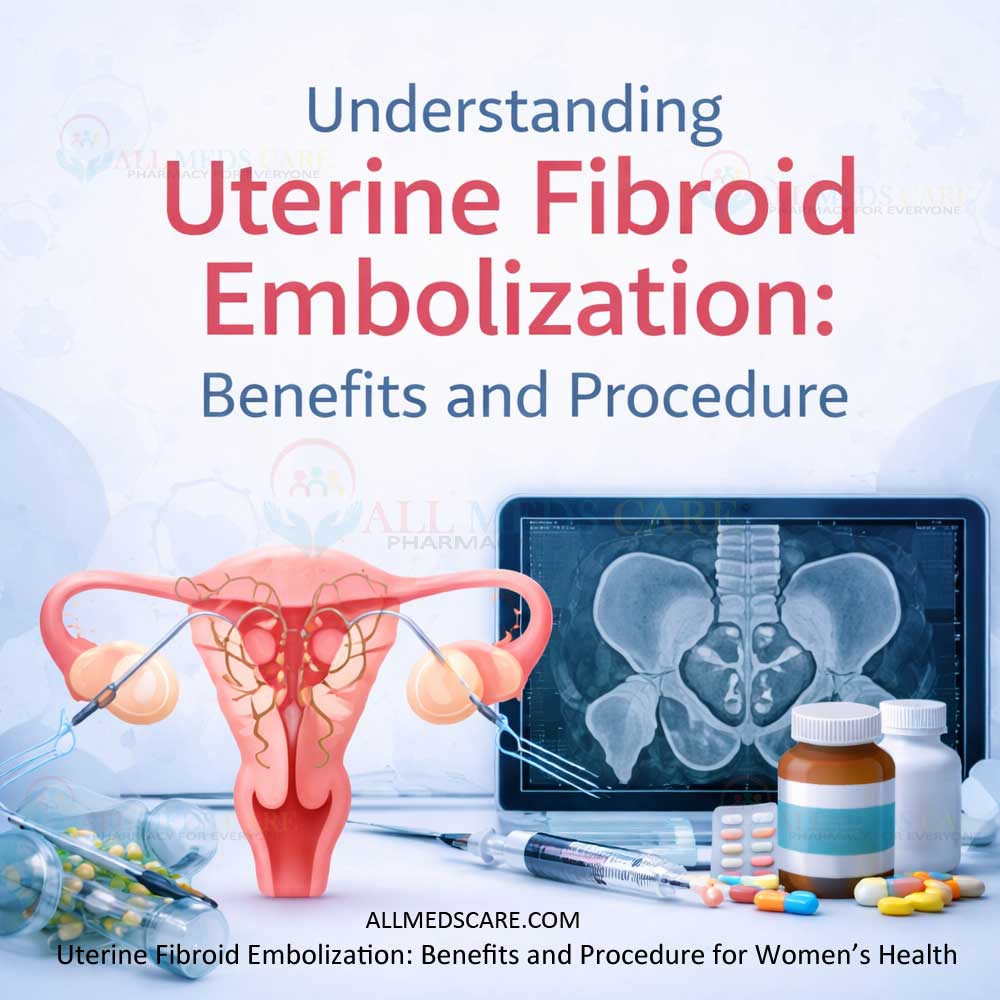
Uterine Fibroid Embolization: Benefits and Procedure for Women’s Health

Uterine fibroid embolization (UFE) offers a minimal intervention approach to treat fibroids in the uterus. These are benign tumors but may be troublesome. It is a mild procedure in relation to the traditional ones. Unlike a hysterectomy, which demands the removal of the whole uterus, or a myomectomy, which is aimed at removing the fibroids only, UFE uses a procedure that is minimally invasive and thus does not require any large incisions. This renders UFE a good choice for most women. This paper will describe the advantages of UFE and step-by-step explain the process itself.
What Are Uterine Fibroids? Causes, Symptoms, and Impact on Daily Life?
Understanding Uterine Fibroids
Uterine fibroids are harmless swellings that develop on or within the uterus. They are also referred to as leiomyoma or myoma and differ in size immensely, in number and location. It can grow during the reproductive age, and in most cases, fibroids lessen as soon as a woman has reached the menopause stage.
Types of Fibroids
Fibroids are classified based on where they grow:
- Intramural fibroids develop in the wall of the uterus.
- Submucosal fibroids grow surrounding the region below the uterine lining, and they can protrude into the uterine cavity.
- Subserosal fibroids are formed on the outside of the uterus.
- Pedunculated fibroids are fibroids in which a stalk attaching them to the uterus.
Each type can cause different symptoms and complications based on the size and the position.
Causes of Fibroids
Fibroids have not been specifically described as a cause, but it has several factors that cause them:
- Hormonal influence (estrogen and progesterone)
- Genetic predisposition
- Growth factors affecting uterine tissue
- Lifestyle and metabolic factors
Symptoms of Fibroids
Symptoms of fibroids vary from mild to severe and may include:
- Heavy or prolonged menstrual bleeding
- Pelvic pain or pressure
- Frequent urination or difficulty emptying the bladder
- Constipation
- Lower back pain
- Pain during intercourse
- Fertility challenges in some women
Impact on Women’s Health and Daily Life
Fibroids can severely affect physical comfort, emotional state, working performance, and relations. Such issues as chronic pain, anemia with a lot of bleeding, fatigue and anxiety are common issues, and that is why such issues have to be treated effectively.
An Introduction to Uterine Fibroid Embolization (UFE)
Uterine Fibroid Embolization is a non-surgical operation whose procedure is the least invasive and is designed to reduce the size of the fibroid by reducing the blood supply to the fibroid. The fibroids gradually diminish, and their effects are alleviated with good blood circulation.
Uterine Fibroid Embolization Explained Simply
Rather than destroying fibroids or the uterus, UFE aims at destroying the arteries of the uterus that supply fibroids. The injection of tiny particles is done in order to prevent blood flow to fibroid tissue and maintain healthy uterine tissue.
A Non-Surgical Option for Fibroids
Uterine Fibroid Embolization is ideal for women seeking:
- An alternative to surgery
- Uterus preservation
- Shorter recovery time
- Effective symptom relief
The Step-By-Step UFE Procedure
Before the Procedure
- Medical evaluation and imaging (MRI or ultrasound)
- Communication of symptoms, fertility objectives and expectations.
- Pre-procedure instructions, such as fasting
How Is Uterine Fibroid Embolization Performed?
- Access Point: An artery is accessed by making a small incision in the wrist or the groin.
- Catheter Insertion: Imaging guidance is applied to insert a thin catheter in the uterine arteries.
- Embolization: Minuscule embolic particles are emitted to cause a blockage of blood flow to fibroids.
- Completion: When blood flow becomes minimal, the catheter is removed, and the incision is stitched.
What Happens During UFE?
- The procedure typically lasts 1–2 hours.
- Local anesthesia and mild sedation are used.
- No large incisions or stitches are required.
Is UFE an Outpatient Procedure?
Yes. The majority of women go home on the same day or after spending a little time overnight.
The Key Benefits of Choosing Uterine Fibroid Embolization
Advantages of Uterine Fibroid Embolization Over Surgery
- No large incisions
- No removal of the uterus
- Reduced surgical risks
- Lower complication rates
Faster Recovery
The normal activities of most women are restored in 7-14 days as opposed to weeks or months of surgical alternatives.
Preserving the Uterus
UFE enables women to retain their uterus, which in turn may be emotionally and medically significant.
Effective Symptom Relief
Studies show significant improvement in:
- Heavy bleeding
- Pelvic pressure
- Pain and discomfort
Comparing Uterine Fibroid Embolization to Other Treatment Options for Fibroids
In the comparison of Uterine Fibroid Embolization (UFE) to the treatment options available to treat fibroids, it becomes a less invasive and preservation treatment of the uterus.
In contrast to hysterectomy, where the uterus is completely removed, and women are not able to conceive any more, UFE enables female patients to keep their uterus intact and reduces the symptoms of fibroids.
UFE treats multiple fibroids simultaneously by blocking blood flow that is used to sustain these fibroids, in contrast to myomectomy, which removes single fibroids through surgery, and it can take a longer time to recuperate, and there is a risk of developing fibroid recurrence.
Fibroid medications can be used to manage without their removal in the short term, and usually take a long time. UFE is a good solution since it has been shown to be a balance, with a high level of symptom relief, shorter recovery and reduced surgical risks, which may appeal to many women who are interested in effective and non-surgical management of fibroids.
Which Treatment Is Best?
The best option depends on:
- Symptom severity
- Age and fertility goals
- Overall health
- Personal preferences
Potential Risks and Considerations with Uterine Fibroid Embolization
Possible Side Effects
- Cramping and pelvic pain (temporary)
- Nausea or fatigue
- Low-grade fever
- Vaginal discharge
Risks of the Procedure
While UFE is generally safe, risks may include:
- Infection
- Allergic reaction to contrast dye
- Ovarian function changes (rare)
Who Should Not Have Uterine Fibroid Embolization?
UFE may not be recommended for women who:
- Are currently pregnant
- Have an active pelvic infection
- Have certain uterine cancers
- Are you planning immediate pregnancy (case-dependent)
Discussing Concerns With Your Doctor
Detailed guidance by a specialist can be used to make UFE in line with your health objectives.
Lifestyle After the Procedure
Recovery After UFE
- Mild discomfort for a few days
- Pain management with prescribed medications
- Gradual return to daily activities
- Avoid strenuous activity for 1–2 weeks.
Long-Term Outcomes
Most women experience:
- Reduced bleeding within months
- Shrinkage of fibroids over time
- Improved quality of life
- High satisfaction rates
Patients’ Experiences After the Procedure
Most patients have indicated that they are able to have more energy, less pain and a sense of confidence in everyday life.
Uterine Fibroid Embolization is a formidable move towards the health empowerment of women. UFE provides an opportunity for women to control their health and preserve the uterus, maintaining a high quality of life without mutilation.
Unless the fibroids are impacting your physical health, emotional status or your daily activity, it is important to know what you can do to treat them. All that is left to do is to schedule an appointment with a competent specialist, discuss uterine artery embolization and identify whether UFE is in accordance with your health needs.

About John Davis
Healthcare Writer & Medical Content Author
John Davis is a content creator in healthcare with a career at AllMedsCare that consists of writing articles with knowledge for patients on pharmaceutical topics, health issues related to men and women’s health, sexual health during pregnancy, procedures, exercising, and... Read More
View all posts by John Davis


