
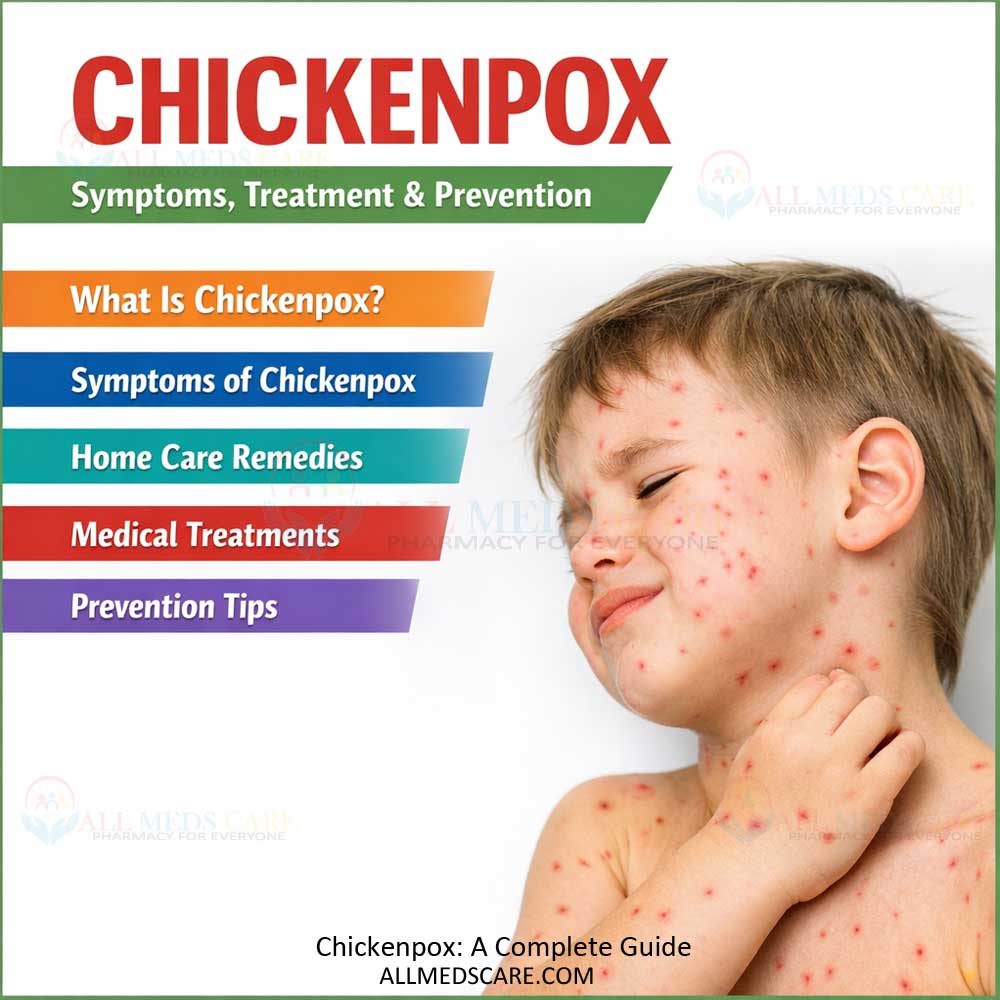
Chickenpox: A Complete Guide to Recovery, Care, and Prevention

Chickenpox is a viral epidemic that is highly contagious, and the majority of the population succumbs to it at one point in their lives; this is primarily during childhood. Chickenpox is not very severe in children, but it is uncomfortable and sometimes even severe, especially in adults, pregnant women and patients who might have weakened immunity. One can know how to combat chickenpox and relieve symptoms, remove complications and speed up recovery.
It is a handy book that will guide you through every bit of information that you will need, as well as identification of symptoms, to yourself, medication and prevention information, to ensure that you, or the loved ones, remain comfortable and easy going in achieving a positive recovery.
What Is Chickenpox?
Chickenpox is a viral disease caused by the varicella-zoster virus (VZV) and can metamorphose to cause shingles in adults. It is readily transmitted through coughing, sneezing, and direct contact with the product of an infected patient in blisters or even through personal articles of an infected patient.
Symptoms typically manifest themselves 10 to 21 days after exposure, and the infection phase extends to 7 to 14 days.
Symptoms of Chickenpox
Detection at an early stage is important in combating chicken pox. The infection most of the time follows in stages:
Early Symptoms (1–2 days before rash)
- Fever
- Headache
- Loss of appetite
- Fatigue
- Sore throat
- Mild stomach pain
- Body aches
- Irritability in children
- General weakness
Rash and Blister Stage
- Red spots that develop into itchy, fluid-filled blisters.
- Blisters are raptured and scabs develop.
- The onset of the rash is on the face, chest, or back and continues to the whole body.
Healing Stage
- Blisters dry out and fall off
- Scabs grow healed without scars, provided that they are not scratched.
How to Fight Chickenpox Naturally at Home?
In the majority of individuals, chickenpox can be treated at home by taking proper care and comfort. These are some of the naturally occurring methods of fighting the symptoms of chicken pox.
1. Control Itching (Most Important Step)
The most unpleasant symptom is itching, which may lead to scarring when scratched.
Helpful tips:
- Use calamine lotion to treat the skin.
- Take oatmeal baths or add baking soda to bathwater.
- Apply a cold compress onto inflamed skin.
- Keep nails trimmed short
- Children should have cotton gloves at night to avoid scratching.
2. Stay Hydrated
The blisters and fluid loss may cause dehydration due to fever. Drink plenty of:
- Water
- Coconut water
- Herbal teas
- Fresh fruit juices (avoid acidic juices)
3. Rest and Isolate
Your body requires the energy to combat the virus.
- Keep at home till all the blisters scab.
- Avoid school, work and social interaction.
- Get plenty of sleep
- Ensure that the room is well ventilated and cool.
4. Eat Healing Foods
Nutrition is very important in recovery.
Best foods:
- Soft fruits (bananas, apples)
- Vegetables (carrots, spinach, pumpkin)
- Soups and broths
- Yogurt
- Whole grains
Foods to avoid:
- Spicy food
- Salty snacks
- Fried food
- Acidic fruits (oranges, pineapples)
- Sugary drinks
5. Use Natural Soothing Remedies
- Neem leaves bath: Anti-itchy and anti-bacterial.
- Aloe vera gel: Will help in the healing process and reduce redness.
- Honey: Excellent in the treatment of blisters and used tenderly.
- Turmeric: Anti-inflammatory combined with warm milk.
Medical Treatment for Chickenpox
No cure exists to treat chickenpox, although medical treatment reduces the severity and complications.
1. Antiviral Medication
Physicians can use acyclovir, valacyclovir or famciclovir, in particular:
- Adults
- Pregnant women
- People with weak immunity
- Severe cases
These are effective when administered within a span of 24 hours of development.
2. Fever Management
- Take paracetamol (acetaminophen) in case of fever and pain.
- Aspirin (threatens Reye syndrome in children) should never be used.
3. Antihistamines
- Physicians can prescribe antihistamines such as cetirizine and loratadine to eliminate itching.
4. Topical Medications
- Infection prevention antiseptic lotions.
- Any steroid creams (only in case of prescription) that are mild.
Preventing Complications
Although chickenpox is not severe, it may cause complications when not treated properly.
Common complications:
- Skin infections from scratching
- Scarring
- Dehydration
- Pneumonia (in adults)
- Brain inflammation (rare)
- bacterial infections
Prevention tips:
- Keep skin clean and dry
- Do not pop blisters
- Maintain hygiene
- Wash clothes and bedding every day.
- Note the indications of infection (redness, pus, high fever)
Special Care for Adults, Pregnant Women, and High-Risk Individuals
Adults
- Adults are more likely to have severe symptoms and have a more protracted recovery. It is highly recommended that they be treated early before the disease advances.
Pregnant Women
- Pregnancy with Chickenpox can be life-threatening. Exposed or infected individuals should be provided with immediate medical attention.
Infants & Immunocompromised Individuals
- These populations might need to be monitored in hospitals and given antivirals to prevent complications.
Emotional Care During Chickenpox
The stress caused by chickenpox may be particularly stressful in the case of children or adults experiencing severe itching and isolation. And even emotional comfort is important:
- Enhance children with books, puzzles and peaceful activities.
- Have a positive atmosphere.
- Provide support and encouragement.
- Use of mirrors should be avoided in case of low self-esteem.
- Be in touch with people you love virtually.
How Long Does Recovery Take?
- Rash stops appearing: 4-7 days
- Blisters scab over: 7-10 days
- Full recovery: 2-3 weeks
- Scars subside: A few months (without skin scratching).
We have to be patient and take good care in order to heal fully.
Can Chickenpox Be Prevented?
Chicken pox is also preventable by vaccination.
Chickenpox Vaccine (Varicella Vaccine)
- Given in two doses
- Highly effective
- Reduces severity even if infection occurs
- Safe for children and adults
The most effective long term protection against chicken pox and its complications is vaccination.
When to See a Doctor Immediately?
Consult medical attention in case of observation of: High fever lasting more than 4 days
- Fever that goes above 4 days.
- Difficulty breathing
- Severe headache or vomiting
- Confusion or drowsiness
- Blisters filled with pus
- Red, swollen, or painful skin
- Rash near the eyes
- Dehydration symptoms
Frequently Asked Questions (FAQs)
1. Is it possible to have chicken pox more than once?
It’s rare, but possible. The virus stays dormant and may reappear later as shingles.
2. Is it possible that the adults can be infected by children with chickenpox?
Yes. The Chickenpox is highly transmitted to adults who are not vaccinated, and it may be more serious.
3. Is chickenpox dangerous?
The majority of the instances are mild, and complications are severe in high-risk populations.
Is it possible to take a bath when I have chickenpox?
Yes, it makes sense to use lukewarm baths to minimise itching and maintain the cleanliness of the skin.

About John Davis
Healthcare Writer & Medical Content Author
John Davis is a content creator in healthcare with a career at AllMedsCare that consists of writing articles with knowledge for patients on pharmaceutical topics, health issues related to men and women’s health, sexual health during pregnancy, procedures, exercising, and... Read More
View all posts by John Davis


