Pregnancy Before and After 40: What to Expect

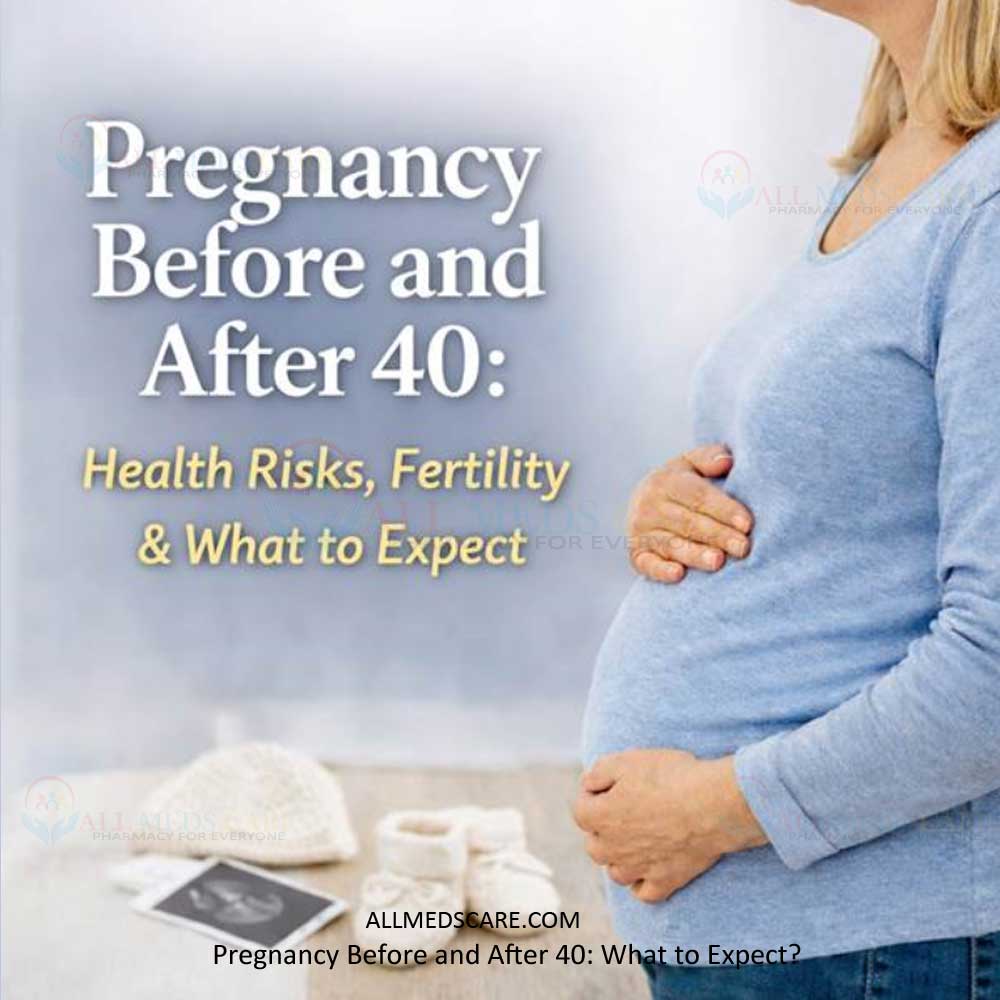
Motherhood is a deeply personal journey, and today more women are choosing to start families later in life. Although a woman can conceive at various ages, the body reacts differently before and after 40 years. Knowledge about age and fertility, risks during pregnancy, emotional health, availability of medical treatment and recovery can empower women to make informed and confident decisions.
This is a comprehensive guide on what women can expect when they get pregnant before and after the age of 40, and tips to help them have a healthy pregnancy at any age.
Understanding Fertility
Naturally, fertility varies with time. The number of eggs that a woman is born with is fixed, and the number and quality of eggs gradually go down as the woman ages.
Fertility tends to be at its highest level in the 20s and early 30s. The ovulation is regular, the quality of eggs is usually higher, and the possibilities of conceiving monthly are much greater. Fertility starts to drop off in the mid-to-late 30s in women.
Fertility After 40
Conception can be slower when it comes to the issue of fertility after 40 because the quality and quantity of eggs are reduced. It is very common to get pregnant at the age of 40, and there are a lot of women who have been very successful in this endeavor, though it takes a lot of planning and even medical procedures. The process of natural aging and fertility decline may lengthen the time required to conceive.
Women who attempt to conceive after 40 years of age should be advised to seek medical advice early enough. Hormone tests and ovarian reserve tests could help to assess the overall reproductive health and give some direction.
Prenatal Health Risks
All pregnancies have a certain level of risk, and age may determine the possibility of this or that complication.
Pregnancy Before 35
- Reduced chances of having gestational diabetes.
- Reduced presence of high blood pressure.
- Less threat of chromosomal abnormalities.
- Lower miscarriage rates
Pregnancy Risks After 40
There are higher pregnancy risks after 40, including:
- Gestational diabetes
- High blood pressure or preeclampsia
- Increased miscarriage risk
- Higher chance of cesarean delivery
- High risk of chromosomal disorders.
There are also several health-related issues that women over 35 may suffer in pregnancy, particularly when they have other underlying conditions like thyroid disorders or hypertension.
Knowledge of potential complications during pregnancy by age enables women to avoid potential complications in advance. Regular prenatal care for women over 40 is important to reduce risk and ensure the well-being of both mother and fetus.
Mental and Emotional Well-being
Pregnancy also influences the body, as well as emotional and mental health.
Emotional Experience Under 40.
Young mothers can feel anxious about a career, money, or family life. Mood stability may also be affected by hormonal changes.
Mental Health During Pregnancy After 40.
The experience of mental health during pregnancy after 40 can be both joyful and painful, especially for women who have to undergo it. Several older mothers are also better prepared emotionally; still, apprehension of health risks and energy can be stressful.
It is significant to obtain emotional support for older mothers. This can involve counseling, prenatal classes or joining community groups.
Stress management during pregnancy at any age through yoga, meditation, or light exercise would be beneficial in controlling mood and well-being.
Medical Care and Screenings
The medical supervision also matters as one gets older.
Prenatal Testing After Age 35
Additional screenings, such as those, are usually offered to women above 35:
- Non-invasive methods of prenatal testing (NIPT)
- Amniocentesis
- Chorionic villus sampling (CVS)
These prenatal testing options for individuals above age 35 are useful to estimate genetic conditions at an early stage.
Genetic Screenings Among Pregnancies of Older Ages.
Genetic screenings during older pregnancies are usually recommended because there is an increased probability of developing chromosomal abnormalities. Such exams are informative, and they assist the parent in preparing.
The healthcare providers can customize doctor prescriptions for the maternal age group, such as increased incidences of ultrasounds or gestational diabetes.
Prenatal care best practices over forty are:
- Regular prenatal visits
- The observation of blood pressure and blood sugar.
- Being at a healthy weight.
- Exercise with the consent of the physicians.
Lifestyle Adjustments
The healthy habits are beneficial to pregnancy at any age, but once a person is over 35 or 40, they are particularly significant.
Healthy Lifestyle Before Pregnancy at Any Age.
- Maintain a balanced diet
- Exercise regularly
- Stop smoking and have limited alcohol consumption.
- Use prenatal vitamins with folic acid
- Treat chronic health disorders.
Pregnant Women’s Diet Over Forty.
- Women be older than 40 need to focus on:
- Calcium and vitamin D for bone health
- Foods that are rich in iron to prevent anemia.
- Lean proteins for muscle support
- Foods that contain a lot of fibre to help with digestion.
- Exercise Prevention and Pregnancy in Late Age.
Safe activities include:
- Walking
- Prenatal yoga
- Swimming
- Light strength training
The following workout choices in late age pregnancy will keep the heart healthy and eliminate stress.
The Realities of Recovery during Pregnancy
Healing takes time based on the age, health and mode of delivery.
Postpartum Recovery Before 40
- Faster physical healing
- Higher energy levels
- Greater muscle tone
Postpartum Recovery After Forty
Postpartum recovery after forty may take longer. Elasticity of tissues is reduced, and metabolism is slowed, which may influence the loss of weight and muscle healing.
According to many women, their energy levels changed after childbirth, depending on age, with some older mothers requiring more sleep.
The impact of this can be reduced by providing mothers who are older than forty with robust support systems, such as family, friends, or a postpartum doula, to alleviate the struggle of recovery.
Your Support Network: Building a Safe & Healthy Environment No Matter Your Age
No woman is supposed to go through pregnancy alone. Building a strong support system enhances physical and emotional results.
Choosing the Birth Control Methods for Women Over Forty.
When thinking about family planning of women over forty, one should speak about the long-term objectives, the financial preparedness, and healthcare planning.
Finding Support Groups of Older Moms-to-Be.
Finding support groups of older moms-to-be can be a way of finding support and having a sense of community.
Caring Community Resources in Pregnancies of Advanced Maternity Age.
Guidance can be offered by the availability of caring resources in the community during advanced maternal age pregnancies, including prenatal classes, lactation consultants, and counseling services.
Support systems are caring at all ages, but in particular during the process of overcoming pregnancy in later life.

About John Davis
Healthcare Writer & Medical Content Author
John Davis is a content creator in healthcare with a career at AllMedsCare that consists of writing articles with knowledge for patients on pharmaceutical topics, health issues related to men and women’s health, sexual health during pregnancy, procedures, exercising, and... Read More
View all posts by John Davis


