
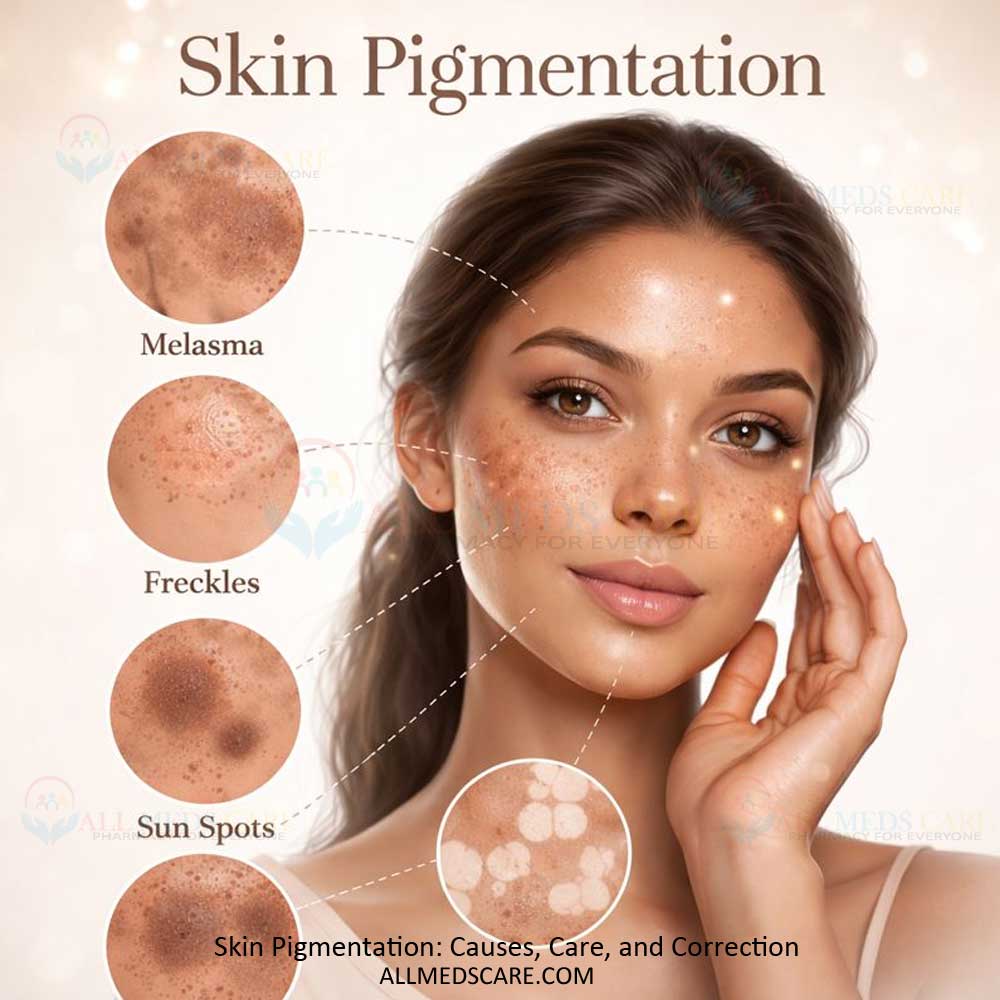
Skin Pigmentation: Causes, Care, and Correction

Skin pigmentation is a natural and necessary factor of human skin. It dictates our skin colour and is very crucial in shielding the skin against damage in the environment, particularly that caused by ultraviolet (UV) radiation. But uneven pigmentation, over pigmentation, or abnormal pigmentation may be cosmetically problematic and, in most instances, it may be a sign of underlying medical conditions.
Dark spots, patches or discoloration are conditions that afflict individuals of all ages, genders, and skin types, usually affecting the level of self-confidence and quality of life. It is important to know the reasons for the pigmentation of the skin, acquire knowledge about how to take proper care of the skin and investigate the possible ways of its correction to achieve the state of healthy and balanced skin.
What is Skin Pigmentation?
The main controller of skin pigmentation is melanin, which is a natural pigment generated by special skin cells known as melanocytes. The colour of the skin, hair and eyes is determined by melanin. Genetics, hormonal influences, exposure to the sun and the general well-being of the skin all dictate the quantity and nature of melanin produced.
Melanin is of two kinds, chiefly:
- Eumelanin– which produces brown and black colors
- Pheomelanin– chrome of red and yellow
The skin would be homogenous in situations where the production of melanin is balanced. The issue causes pigmentation when the production of melanin is excessively high, or excessively low, or unequal.
Common Types of Skin Pigmentation Issues
- Hyperpigmentation: Hyperpigmentation is a condition that develops when the skin in some places has produced too much melanin, leaving some dark spots or spots. Common forms include:
-
- Melasma: Often hormone-related, appearing as symmetrical patches on the face
- Post-inflammatory hyperpigmentation (PIH): Dark spots left after acne, injuries, or skin inflammation
- Sunspots (age spots): Caused by prolonged sun exposure
- Hypopigmentation: Hypopigmentation is a lightening of the skin as a result of the decrease in the production of melanin. Vitiligo and albinism are some of the conditions under this category.
- Uneven Skin Tone: It is a broad state in which the skin does not have evenness of color because of lifestyles, pollution, sun, and neglect of the skin.
Causes of Skin Pigmentation
- Sun Exposure: Overexposure to UV rays is the most prevalent cause of pigmentation issues. The UV ray causes the melanocytes to enhance their production of melanin as a defence mechanism, thereby tanning the skin and causing dark spots in the long run.
- Hormonal Changes: Pigmentation, particularly melasma, may be caused by hormonal changes that occur during pregnancy, menopause, or oral contraceptives. Skin changes in color can also be affected by the thyroid disorders.
- Inflammation and Skin Injury: The darks are produced during the healing of acne, burns, rashes, cuts, and violent cosmetic treatments. This is more so in darker skin complexions.
- Genetics: There are those people who are predisposed to pigmentation disorders. The role of family history is important in conditions such as melasma and freckles.
- Medical History and Drugs: Some drugs or medications can result in pigmentation changes, e.g., chemotherapy drugs, antibiotics, or anti-seizure medications. Adrenal gland conditions and liver conditions may also change the skin tone.
- Lifestyle and Environmental Factors: The skin barrier can be augmented by poor nutrition, stress, insomnia, smoking, exposure to pollutants, and improper skincare, enhancing pigmentation.
Skin Pigmentation Care: Prevention and Management
Management of pigmentation is based on proper skin care. It is always best to prevent and not cure.
- Sun Protection Is Essential: It should be the broad-spectrum sunscreens (SPF 30 or higher) should be used daily, and there is no dispute about this. It is predicted that the sunscreen would be used on a cloudy day and be replenished after every 2-3 hours in the sun. The UV damages are also reduced by protective wear, hats, and sunglasses.
- Gentle Cleansing: Irritant-free mild cleansers could help in maintaining the natural skin barrier. Extensive scrubbing and over-cleansing are causes of inflammation that increase pigmentation.
- Consistent Skincare Routine: Regular washing, hydrating, and application of sun protection are beneficial to the skin as it allows the skin to recover and prevent pigment loss. The products should suit your type of skin.
- Healthy Diet and Hydration: The foods containing antioxidants, Vitamin C, E, zinc, and omega-3 fatty acids help to heal the skin. Adequate water is necessary to maintain the skin as well as health.
- Do not pick or over-treat the Skin: Squeezing of a pimple, scratching, or an excessive number of active ingredients may lead to post-inflammatory pigmentation.
Treatment for Skin Pigmentation
Skin pigmentation is only treated with time, constant practice, and an appropriate method. The skin is treated depending on the severity, type of skin, and cause.
- Topical Treatments: Dermatologists tend to prescribe ingredients that control the production of melanin and the cell turnover, including ingredients that are used to lighten the skin slowly but surely, as well as enhance the overall tone. These are:
-
- Vitamin C
- Benoquin Cream
- Niacinamide
- Azelaic acid
- Retinoids
- Alpha arbutin
- Chemical Peels: Chemical peels involve the application of a weak acid, which removes the chromosomes, promoting new skin growth. They are effective in superficial pigmentation, though they must only be done under professional guidance.
- Laser and Light-Based Treatments: Sophisticated dermatological interventions aim at melanin deposition, with the help of controlled energy. These interventions are useful in treating recalcitrant pigmentation, but they need specialist evaluation and follow-up.
- Micro Needling and Combination Therapies: Micro Needling increases skin turnover and makes pigmentation correctional serums more absorbent. Combination therapies are usually done with a dermatologist, leading to better outcomes.
- Medical Evaluation: Permanent or acute alterations in pigmentation need to be addressed by a medical practitioner to eliminate the possibility of underlying medical problems.
Myths About Skin Pigmentation
- The treatment of pigmentation is only done using natural remedies: Although it is possible to use some natural ingredients to make sure that the skin is in a good state, too much pigmentation can be treated with the help of medication.
- Pigmentation does not occur on fair skin: Pigmentation is present in all skin tones, but it can be manifested differently.
- Faster results are better: Violent therapies may harm the skin and aggravate pigmentations. Incremental change is more effective and less risky.
When to See a Dermatologist?
You should consult a dermatologist if:
- Skin pigmentation worsens despite proper care
- Dark patches appear suddenly or spread rapidly
- Pigmentation is associated with itching, pain, or scaling
- Over-the-counter products cause irritation
Diagnosis at an early stage guarantees successful and safe treatment.
Skin pigmentation is a multifaceted disorder that depends on biological, environmental, and lifestyle determinants. Although it is usually non-hazardous, it can cause permanent skin damage and emotional trauma due to its poor management. The causes, preventative care, and the selection of the correct methods of correction are steps that lead to achieving healthy, even tones on the skin.

About John Davis
Healthcare Writer & Medical Content Author
John Davis is a content creator in healthcare with a career at AllMedsCare that consists of writing articles with knowledge for patients on pharmaceutical topics, health issues related to men and women’s health, sexual health during pregnancy, procedures, exercising, and... Read More
View all posts by John Davis


