

For most people living in the United States, malaria feels like a distant disease- something associated with tropical regions, not every day American life. And that perception is largely accurate. Malaria is rare in the USA, and it does not spread regularly within the country.
Yet every year, thousands of Americans are diagnosed with this infection. Almost all of these cases have one thing in common: international travel.
Understanding why it is uncommon at home but still a real threat abroad can help Americans stay informed, protected, and prepared- especially in an era of global travel.
What Is Malaria?
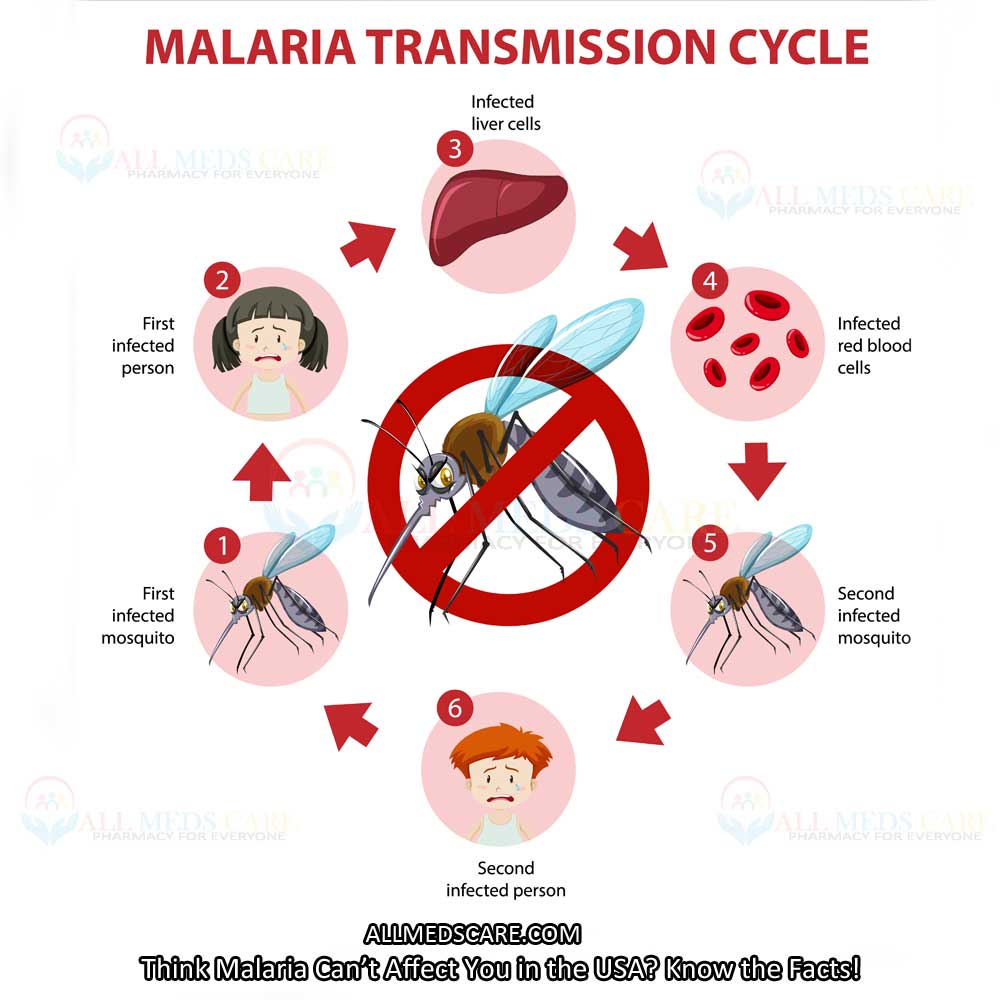
Malaria is a mosquito-borne infectious disease caused by Plasmodium parasites. This infectious disease spreads through the bite of infected female Anopheles mosquitoes. Once inside the body, the parasite travels to the liver and then infects red blood cells, causing cycles of fever and illness.
Globally, this infection remains a major health concern, particularly in tropical and subtropical regions.
Is Malaria Common in the United States?
No. this infection is not common in the USA.
The United States is classified as non-endemic for malaria, meaning the disease does not circulate regularly within the population. Most cases diagnosed in the U.S. occur in people who were infected outside the country.
Occasional locally acquired cases have been reported over the years, but these are rare, isolated events that are quickly contained by public health systems.
Americans keep getting this infection. Why?
Malaria is not very common in the USA. Why then are Americans getting the illness?
The answer is simple: Travel.
Millions of Americans travel annually to areas where malaria is prevalent. Exposure is enhanced by business trips, vacations, family visits, etc.
Because this infection is not very common in the U.S., most Americans:
- Have no natural immunity
- May fails to notice the early signs.
- May postpone visiting a physician.
- This combination poses more risk.
- Most at risk from this infection in U.S. Travelers.
Malaria continues to dominate many regions of the world such as:
- Sub-Saharan Africa (the most at risk)
- South Asia, including India
- Southeast Asia
- Central America and some of South America.
- Some regions of Oceania
Risk is location-specific, seasonal, altitude-dependent and also travel-dependent. Even casual visits can be risky in areas of high transmission.
Should Americans Be Vaccinated against Malaria before Traveling?
It is one of the most widespread fallacies.
The U.S. traveler currently lacks a widely available vaccine.
Although there are vaccines that are available and applied in selective locations (the most common is the use of malaria vaccines among children in at-risk countries) these are not as widely stocked or recommended to American travelers.
Rather, the prevention is based on prescription preventive drugs as well as the use of mosquito avoidance measures.
Malaria Prevention for Americans
Prevention Anti-Malarial Drugs.
In case of preventive medications, doctors can prescribe the preventive medication depending on:
- Destination
- Length of stay
- Time of year
- Individual medical history
Prescriptions that are often used are:
- Signaquin 200mg
- Atovaquone-Proguanil
- Doxycycline
- Mefloquine
- Only in some regions, chloroquine.
These are medications that are normally initiated before travelling, coordinated during travelling, and taken after travelling.
Mosquito Bites (Prevention)
It is not just the case of medication. Travelers should also:
- Apply insect repellents that have DEET or picaridin.
- Wear long-sleeved shirts and trousers.
- Use mosquito nets when necessary.
- Remain in rooms that have air conditioning or screens on the windows.
Stay at home during the time of the day when the mosquitoes are at their peak (dusk to dawn). Medication with mosquito protection is the most effective.
Malaria Symptoms in America that People should never overlook
Depending on the way one is infected, symptoms can be experienced within 7 days to many weeks, and even later.
Common symptoms include:
- Fever and chills
- Sweating
- Headache
- Fatigue
- Muscle aches
- Nausea or vomiting
Post- international travel fever must be considered as an emergency.
Home remedies: What is safe and what is not
It is of paramount importance to know that this infection has no home cure. Treatment is compulsory. Postponing medical assistance or using home medicine can result in a serious disease or fatalities.
Giving Nurturing Home Care (With Medical Care)
Although treatment is necessary, medical care can aid recovery:
- Adequate rest
- Proper hydration
- Light, nutritious meals
- Monitoring fever
- Taking all the prescribed medication correctly
Supportive care helps the body get well, but it does not cure this infection.
Myths vs Facts related to Home Remedies
Many traditional or natural remedies are often mentioned, but facts matter.
What Home Remedies Can Do
- Help relieve discomfort
- Support hydration and comfort
What They Cannot Do
- Kill malaria parasites
- Cure the infection
- Replace prescription treatment
Only approved anti-malarial medications can cure malaria.
Treatment and Recovery in the USA
This infection is highly treatable when diagnosed early. U.S. healthcare facilities have access to effective anti-malarial therapies, and most patients recover fully with prompt care. Delayed diagnosis, however, increases the risk of complications.
Why Malaria Doesn’t Spread Easily in the USA
Several factors help keep this infection rare in the United States:
- Strong public health surveillance
- Rapid diagnosis and treatment
- Effective mosquito control programs
- Lower presence of highly efficient malaria-transmitting mosquito species
These systems make widespread transmission unlikely.
Final Takeaway for Americans
- This infection is rare in the USA
- Travel to high-risk regions changes the risk
- There is no malaria “shot” for travellers
- Prevention and early treatment is must
- Awareness matters more than fear

About John Davis
Healthcare Writer & Medical Content Author
John Davis is a content creator in healthcare with a career at AllMedsCare that consists of writing articles with knowledge for patients on pharmaceutical topics, health issues related to men and women’s health, sexual health during pregnancy, procedures, exercising, and... Read More
View all posts by John Davis


