
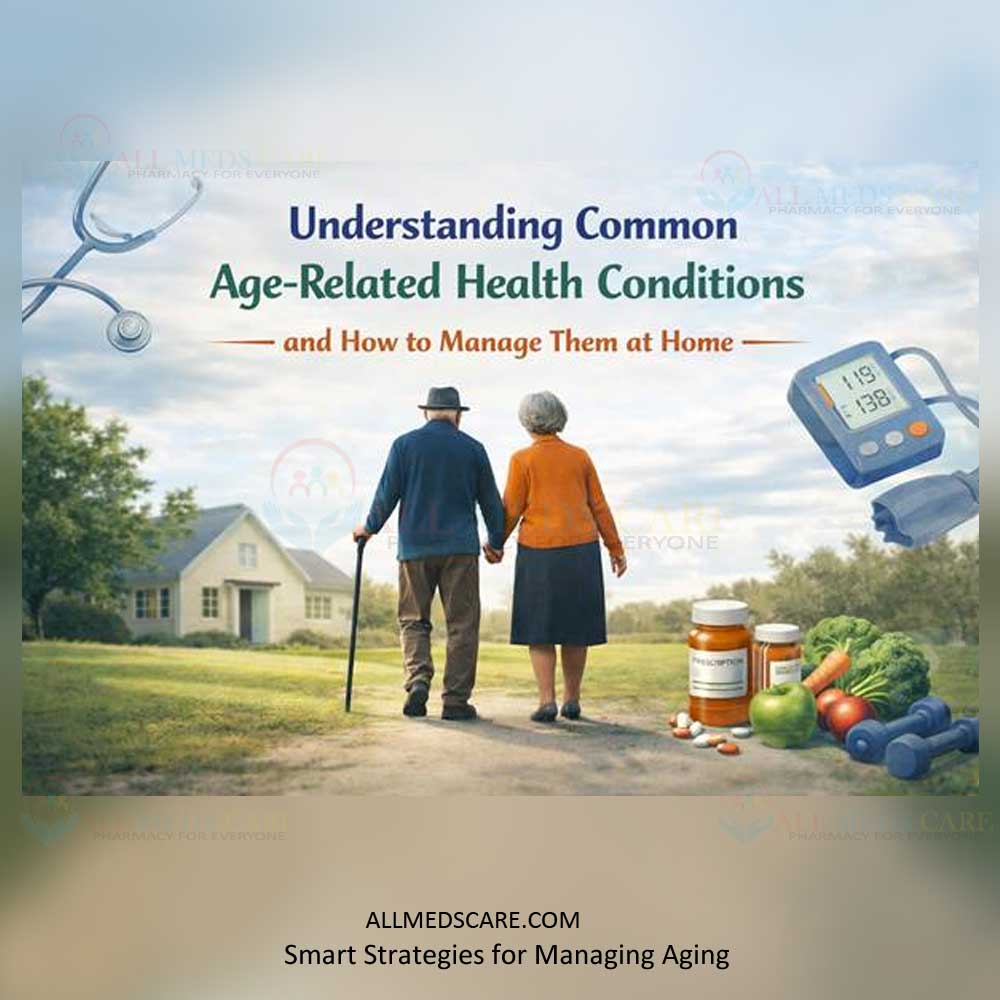
Smart Strategies for Managing Aging-Related Health Conditions at Home

Aging leads to alterations in our bodies (physical changes). Health issues often become more likely as we grow older. Common health problems should not be overlooked for better management. Understanding prevalent health conditions may enhance daily life.
This guide will entail a discussion of some of the most prevalent health-related problems with the advancement of age and how they can be effectively addressed using practical and home-based solutions to health-related problems.
Different way to manage Aging related issues
-
Arthritis and Joint Pain
Arthritis is one of the most common diseases that progresses during aging. It brings about stiffness, joint movements and pain. Osteoarthritis is common, especially due to the wear and tear of joints.
How to manage at home:
Exercise, which is flexible like walking, yoga and stretch will keep the joints flexible and reduce the rigidity. Warm compresses can also be applied to relieve the painful joints, and cold packs are taken to aid in inflammation. Being at a healthy weight takes strain off bones that act to support weight, such as the knees and hips. Even minor modifications at home, like installing handrails and ergonomic devices, make the daily tasks easier.
-
High Blood Pressure (Hypertension)
Hypertension is a condition that normally occurs in old age and increases the risk of heart disease and stroke with aging. It is also referred to as the silent killer since it might not lead to any apparent signs.
How to manage at home:
It is important to check the blood pressure frequently using a home device. Foods high in fibre and beneficial protein help prevent significant sugar fluctuations (nutrition). Better insulin utilization occurs with regular physical activity. Medicines should never be overlooked, along with adequate hydration.
-
Type 2 Diabetes
The aged individuals are vulnerable to type 2 diabetes due to insulin insensitivity and lifestyle.
How to manage at home:
One should watch the blood sugar levels regularly. The glucose level is stabilised by the balanced meals composed of moderate carbohydrate levels. Fibre-rich food and lean proteins will help to avoid sudden spikes. Exercise improves insulin sensitivity. Regular medication should also be ensured, and one should be hydrated.
-
Osteoporosis
Bones become fragile due to osteoporosis (bone health). Many women experience this condition following menopause. Osteoporosis does not solely affect every individual in the same manner.
How to manage at home:
It is essential to eat calcium and vitamin D (nutrients). Green vegetables, milk and fortified with vitamins are advised. Exercises such as walking and working with light weights do not guarantee stronger bones. Be cautious to avoid falls by not having rugs and a lot of brightness in order to minimize the risk of fractures. Fall prevention may be achieved by providing enough light and eliminating carpets. It is important not disregard these details. Such aspects need to be addressed to reduce the risk of fractures.
-
Cognitive Decline and Memory Issues
As age progresses, occasional memory loss is not unusual (age effect). Serious issues such as dementia require medical attention.
How to manage at home:
The brain needs to be stimulated. The mental activity is maintained with the help of reading, puzzles, the acquisition of new skills and participation in social activities. In order to help with memory trouble, one may consider developing habits and reminders in the form of a calendar or an alarm. Being well-nourished and properly sleepy are also important to the health of the brain.
-
Hearing and Vision Problems
Sensory functions are usually subject to aging. Older adults are at risk of such conditions as cataracts, glaucoma, and age-related hearing loss.
How to manage at home:
Eye and hearing tests should be regularly checked. Home lighting minimizes strain on the eyes and chances of falls. Communication and independence improve with the use of bigger text tools or hearing aids when prescribed with the help of magnifying tools. Sunglasses will help in avoiding additional damage by shielding the eyes from excessive sunlight.
-
Heart Disease
One of the major causes of complication of the health of older adults is heart disease. These risk factors are high blood pressure, cholesterol and diabetes.
How to manage at home:
One needs to adopt a heart-friendly lifestyle. It entails physical activities, a low-saturated fat diet, quitting tobacco use and concentrating on lessening alcohol use. The advancement would be observed through the evaluation of the cholesterol and blood pressure levels. It is also important that the weight be maintained by maintaining a healthy weight as well as by reducing stress.
-
Respiratory Issues
Aging can aggravate chronic diseases like chronic obstructive pulmonary disease (COPD) and asthma.
How to manage at home:
Do not expose oneself to smoke and air contaminants. Clean the air inside by using air purifiers and make sure there is good ventilation. Breathing exercises to build up the lungs. Take medications as instructed and ensure you attend follow-up appointments regularly.
-
Digestive Problems
Digestive problems common to aging are constipation and acid reflux caused by a lower metabolic rate and less physical exercise.
How to manage at home:
Constipation can be treated by consuming plenty of water and eating food that is rich in fibrils such as fruits, vegetables and whole grains. The symptoms of acid reflux can be compensated for through shorter but more frequent meals. It can be avoided to eat late at night and also to raise the head when sleeping.
-
Mental Health Concerns
With Aging, people may experience loneliness, anxiety, and depression, particularly in those who live alone or those who have chronic conditions.
How to manage at home:
Frequent phone conversations, community participation or communication on the internet can be used to hold on to emotional well-being. The aging loved ones can be involved in simple social activities at home, which can be board games, reading groups, video calls with family, gardening, or listening to music. Engagement can also be encouraged by promoting community activities- online or offline. Light body exercise, mindfulness exercises, and journaling decrease stress and enhance mood. In case of constant sadness, anxiety or behavioral alteration, it should be assessed by a professional.
Aging does not imply that you have lost control over your health. Most of the health conditions associated with age can be managed at home through sensitization, changes in lifestyle and proactive treatment. The little, steady modifications can be of the greatest importance.
Being conscious of these conditions and healthy lifestyles, the elderly will be capable of living a more independent and healthier life, be more comfortable, and lead a more fruitful life. It is not about making years but making life count for healthy aging.

About John Davis
Healthcare Writer & Medical Content Author
John Davis is a content creator in healthcare with a career at AllMedsCare that consists of writing articles with knowledge for patients on pharmaceutical topics, health issues related to men and women’s health, sexual health during pregnancy, procedures, exercising, and... Read More
View all posts by John Davis


