
Everything You Should Know About Bone Marrow Transplants Explained Simply

Bone marrow transplant is a life-saving medical surgery that is applied to treat various serious cancers in the blood and some genetic diseases. The concept of a transplant may be daunting to a large number of patients and families. It is easier to calm the anxiety and make you less frightened of knowing what actually occurs during the process.
This is the ultimate guide that will guide you through every stage of the bone marrow transplant, such as preparation, recovery, and help you be aware of what to expect at every stage.
What Is a Bone Marrow Transplant?
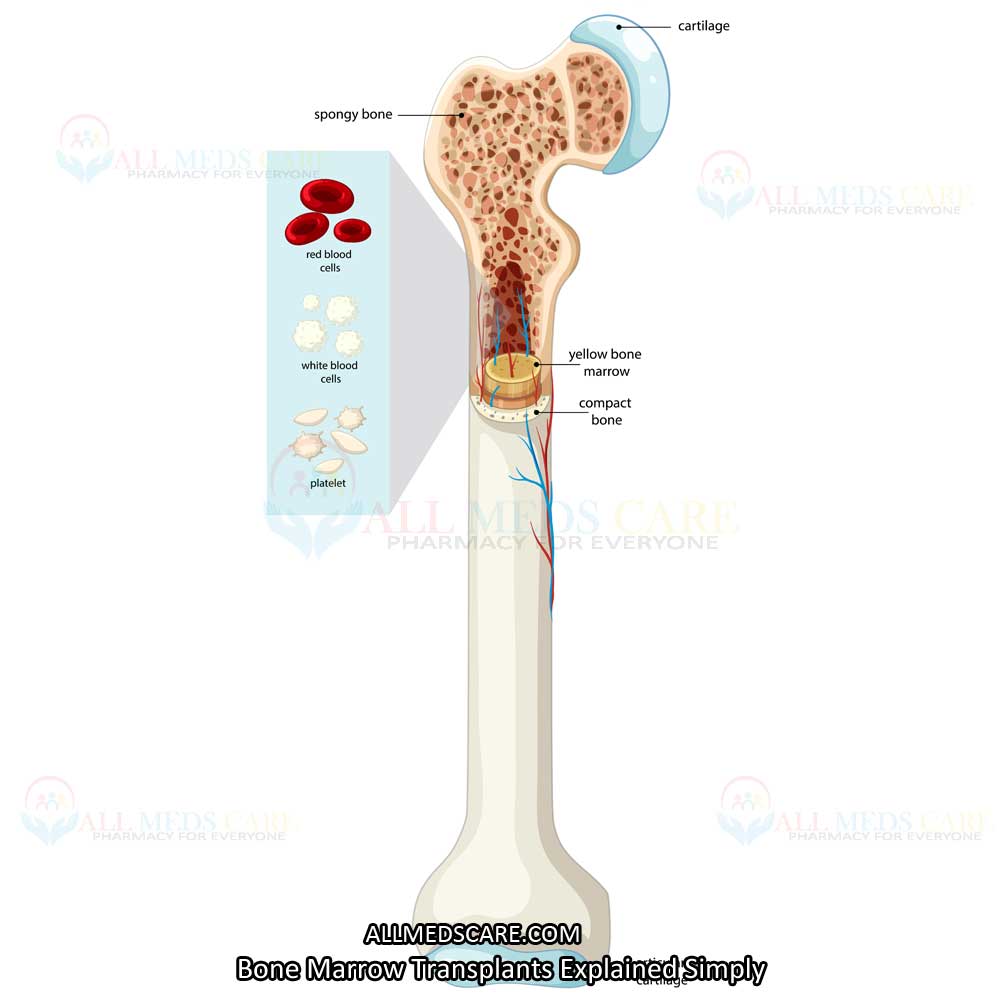
Bone marrow is soft spongy tissue that is found within the bones and which produces blood cells such as red cells, white cells and platelets. In instances where this system is destroyed by disease or therapy, a bone marrow transplant (also referred to as a stem cell transplant) fills unhealthy cells with healthy cells.
It is aimed at restoring the functions of the body to create regular blood cells and reconstruct the operating immune system.
Why Is a Bone Marrow Transplant Needed?
Physicians can prescribe a transplant to cure such conditions as:
- Leukemia
- Lymphoma
- Multiple myeloma
- Aplastic anemia
- Certain inherited blood disorders (like sickle cell disease)
The transplant, in most instances, enables patients to be given a greater amount of chemotherapy or radiation to kill the diseased cells before the introduction of healthy stem cells.
Types of Bone Marrow Transplants
It is also necessary to understand what kind of transplant the patient is going to receive because there are some slight differences in how the process should be carried out.
- Autologous Transplant:- In this one, the sample of your own stem cells is obtained, stored and after receiving vigorous treatment, is brought back to your body.
- Allogeneic Transplant:- The donor of the stem cell is a sibling or a matched unrelated donor. The type is widespread in the treatment of genetic disorders as well as cancers.
- Haploidentical Transplant:- Stem cells come in the form of a partially matched donor, usually a family member.
How a Bone Marrow Transplant Works: Step-by-Step
Understanding the process step by step can help remove uncertainty and make the experience less intimidating.
Step 1: Pre-Transplant Evaluation
Before the transplant begins, you will go through a detailed medical evaluation. This step ensures your body is ready for the procedure.
What to Expect:
- Blood analyses and X-rays.
- Tests of heart and lung functioning.
- Infection screening
- Review of medical history
Physicians talk about risks and benefits as well as how the treatment is going to happen. You can encounter a team of specialists, nurses, and counsellors, who are considered to be the transplant team.
Step 2: Finding a Donor (If Needed)
In allogeneic transplants, it is important to find the correct donor. The physicians seek a match according to human leukocyte antigens (HLA), which assist the immune system to recognize cells.
Possible Donors:
- Siblings (most likely to match)
- Unrelated donors from registries
- Umbilical cord blood
A suitable match decreases the chances of occurrences like graft-versus-host disease (GVHD).
Step 3: Conditioning Treatment
Conditioning therapy will be done to you before being administered new stem cells. This is including high dose chemotherapy, radiation therapy or both.
Purpose of Conditioning:
- Destroy diseased or cancerous cells
- Suppress the immune system to prevent rejection.
- Create space in the bone marrow for new cells.
Side Effects May Include:
- Fatigue
- Nausea and vomiting
- Hair loss
- Increased risk of infection
This stage may be physically challenging, yet it is a very important stage of the transplant process.
Step 4: Stem Cell Collection
The procedure used in collecting the stem cells is dependent on the form of transplant.
For Autologous Transplants:
The stem cells are your own, using a process called apheresis that uses your blood.
For Donor Transplants:
The donors can be offering stem cells in the form of:
- Peripheral blood stem cell collection
- Bone marrow harvest (under anesthesia)
The harvested cells are then subjected to processing and put into infusion.
Step 5: The Transplant Procedure
The actual transplant is rather easy, and it is not a surgical procedure.
What Happens:
- The infusion of stem cells is done through the intravenous (IV) line.
- It is just like getting a blood transfusion.
- It usually takes a few hours.
The stem cells will go into your body, and once they get to the bone marrow, they start growing and creating blood cells. This mechanism is referred to as engraftment.
Step 6: Engraftment and Early Recovery
The process in which transplanted stem cells begin to generate healthy blood cells is referred to as engraftment.
Timeline:
- Comes on between 2 and 4 weeks after the transplant.
During This Period:
- There will be minimal immunity in you.
- Progress will be followed by frequent blood tests.
- Transfusion and medications may be required of you.
Common Symptoms:
- Fatigue
- Fever
- Mouth sores
- Loss of appetite
Although the transplants of bone marrow may be life-saving, they are not without their dangers.
Step 7: Managing Complications
While bone marrow transplants can be life-saving, they do carry risks.
Possible Complications:
- Infections:- With a weakened immune system, even minor infections can become serious.
- Graft-Versus-Host Disease (GVHD):- In allogeneic transplants, donor cells may attack your body’s tissues.
- Organ Damage:- The high dosages may influence such organs as the liver, lungs, or heart.
- Relapse:- The original disease may reoccur in a few instances.
Prevention will be enforced on your medical team, and treatments will be given to control these risks.
Step 8: Hospital Stay and Monitoring
The average stay of patients in the hospital is a couple of weeks following the transplant.
During Your Stay:
- You will be maintained in a neat, controlled place.
- To limit the risk of infection, visitors can be restricted.
- Checking vital signs and blood counts daily
Other patients might still do the recovery at home, but with constant follow-ups.
Step 9: Long-Term Recovery
Bone marrow transplant recovery is a slow process and may require several months and even years.
What to Expect:
- Slow improvement in energy levels
- Gradual return of immune function
- Regular medical check-ups
Lifestyle Adjustments:
- Avoid crowded places initially
- Follow a safe diet
- Maintain good hygiene
The reason is that your immune system has been reset, and this may require repeated vaccinations.
Emotional and Mental Health Support
The process of transplant is not only physical, but it can be complicated in other, emotional ways.
Common Feelings:
- Anxiety
- Fear
- Depression
- Uncertainty about the future
Family support, friend support, and healthcare support are necessary. Counselling or support groups are also of great help to many patients.
Tips for Patients Preparing for a Transplant
- Ask Questions: Know each step of your treatment.
- Such Advice as Medical: Take instructions and drugs.
- Stay Organized: Keep track of appointments and test results.
- Developing a Support System: Family/Caregivers are important in this.
- Focus on Nutrition: Eat a balanced, doctor-approved diet.
Bone marrow transplant is a complicated but effective therapy that can provide hope and a cure to many severe diseases. The process might appear to be a difficult one, but knowing each of the steps will make you feel more confident and ready.
From pre-transplant examination to recovery in the long run, each stage is crucial in ensuring a successful result. When provided with the proper medical attention, support, and attitude, most of the patients end up recovering and living a better life.
Whenever you or your loved one is thinking about having a bone marrow transplant, always look into a qualified health care provider who will give you a chance to discuss the most appropriate treatment options, depending on the condition.

About John Davis
Healthcare Writer & Medical Content Author
John Davis is a content creator in healthcare with a career at AllMedsCare that consists of writing articles with knowledge for patients on pharmaceutical topics, health issues related to men and women’s health, sexual health during pregnancy, procedures, exercising, and... Read More
View all posts by John Davis


