
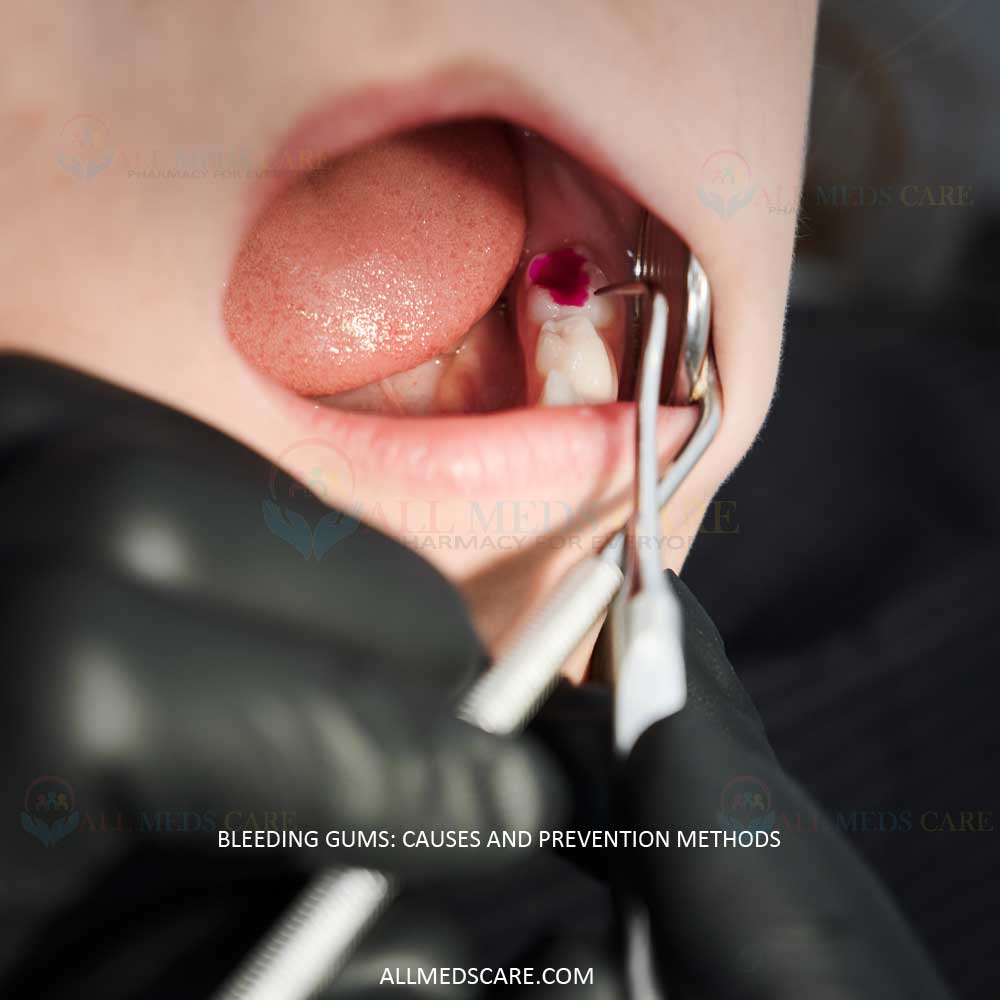
Bleeding Gums: Causes and Prevention Methods

It is not unusual to see the issue of bleeding gums to be neglected as an unimportant but in reality may be a sign of more serious oral health issues. Sometimes small amounts of blood is noticed after a tooth brushing session and flossing as well. But bleeding gums are the body’s way of telling you that there is a problem. Also if left untreated this symptom can progress into severe gum disease or may affect your overall health. Understanding what causes bleeding gums and how to prevent them is crucial for the long term health of your teeth.
What Are Bleeding Gums?
Bleeding gums is a term used when you see blood in your mouth as a result of routine oral care such as brushing or flossing. This doesn’t only happen because of hard bristled brushes. It is often a response to inflamed or irritated gum tissue. Furthermore, if you are experiencing bleeding gums regularly, that is not normal then it needs to be taken note of and implement a prevention plan.
Common Causes of Bleeding Gums
In many cases of bleeding gums it is observed that identifying the cause early on would assist in preventing long term damage and discomfort.
- Poor Oral Hygiene: The primary cause of bleeding gums is plaque that builds up when proper oral hygiene is not practiced. Thus plaque forms along the gum line and builds a home for bacteria leading to irritation and inflammation in the gums in turn causing them to bleed.
- Gingivitis: Gingivitis is always considered to be the primary stage of gum disease. It presents itself as red or swollen and bleeding gums. The inflammation is usually painless consequently causing one to ignore it. Additionally, if left unattended it will progress to more severe and serious stages of gum disease.
- Periodontitis: Gingivitis if left untreated will progress into periodontitis which is a more serious form of gum disease. Periodontitis are always associated with effects on the tissue and bone that support the teeth. Bleeding gums could turn into a regular, persistent occurrence and may go along with gum recession, loose teeth or even chronic bad breath.
- Vitamin Deficiencies: Deficiencies of some vitamins may present as bleeding gums. Vitamin C is a vital component of gum health, as its levels are degraded leading to weakening of gum tissue and increasing the likelihood of bleeding gums. Vitamin K is considered important as well as it is involved in blood clotting playing a role in gum stability.
- Hormonal Changes: For instance hormones fluctuate during pregnancy, menstruation, or menopause while causing an increase in blood flow to the gums making them to become more sensitive. This sensitivity could be another reason for bleeding gums even from gentle brushing.
- Aggressive Brushing and Flossing: At times what we do is the issue. Using a hard bristle toothbrush or brushing too hard can cause injury to the delicate gum tissue. In the same way improper flossing methods may end up with bleeding gums.
- Smoking and Tobacco Use: Use of tobacco damages the gums and reduces their ability to heal as well. Just like smoking which in turn reduces blood flow to the gums masks disease symptoms until they become advanced. Bleeding gums may only be observed by the time the tissue is in a vulnerable state.
- Medications and Health Conditions: Certain medicines that for instance act as blood thinners can cause bleeding gums. Some health conditions like diabetes, leukemia, or blood disorders may present early with gum problems.
How to Prevent Bleeding Gums?
Prevention of bleeding gums is a goal that can be achieved through daily care and awareness. A few simple consistent habits will do a great deal in terms of keeping your gums healthy.
- Practice Proper Brushing Techniques: Use a soft bristled toothbrush and do gentle circular motions while brushing your teeth through the gum line. Also at every 3 to 4 months get a new toothbrush and do not brush aggressively. Including these proper brushing techniques helps to prevent plaque accumulation leading to bleeding gums.
- Floss Gently and Daily: Flossing out plaque and food from in between teeth is its purpose. Consequently, doing it wrong can do more damage than good. Gently slide the floss in between teeth and hug each tooth’s side instead of snapping it into the gums.
- Use Antibacterial Mouthwash: Using mouthwash is recommended as it is designed to control plaque and gingivitis, assisting in reducing bacteria that cause bleeding gums. If one’s professional health expert recommends using mouthwash then look for the ones containing chlorhexidine or essential oils.
- Nutrient Diet Importance: A healthy diet supports oral and gum health. Don’t just include lots of green leafy vegetables like broccoli and spinach which contain high vitamin K but citrus fruits such as oranges that are rich in vitamin C. These nutrients will help to maintain tissue health and also reduce gum sensitivity.
- Stay Hydrated: Adequate consumption of water is a great way to flush out food particles and bacteria in your mouth. Not just limited to that but when one is hydrated they produce more saliva a results in helping to neutralize harmful acids and protect gums.
- Quit Smoking: Quitting smoking completely would show considerable results. It enhances blood flow and also improves the immune response in the gums and which in turn decreases the risk of severe gum disease.
- Visit the Dentist Regularly: Routine visits to the dentist will identify early stages of bleeding gums and encourage prevention of more serious issues. Professional cleanings are effective in the removal of hardened plaque(tartar) which is not possible with just brushing at home.
- Manage Underlying Medical Conditions: If your gum bleeding is a result of systemic issues like diabetes or medication side effects, it would be wise to work very closely with your healthcare provider. Improving these issues will significantly better your oral health.
Why You Shouldn’t Ignore Bleeding Gums?
Bleeding gums may be a minor issue but they may also be a sign of greater health issues. It has been reported that gum disease is a factor in heart disease, diabetes, and respiratory issues. In the mouth, chronic inflammation can provide an entry for bad bacteria into the bloodstream which in turn affects other organs. One might believe bleeding gums to be about just losing one’s teeth but we are at risk of a whole body of health problems at large.
Restoring Gum Health Through Awareness and Action
Bleeding gums is not an issue that can fix itself. One must put in consistent care, practice proper hygiene at the same time seek a professional’s opinion. By identifying what is causing bleeding gums one empowers themselves to take care of it at the first sign of it. Even after improving brushing technique, changing to a more effective and proper diet, and getting a healthcare provider’s advice, one must take action as early as possible.
The sooner one addresses bleeding gums, the easier they are to treat. Health and prevention begin with awareness and by making simple, daily changes, you can protect your gums and your health for years to come.

About John Davis
Healthcare Writer & Medical Content Author
John Davis is a content creator in healthcare with a career at AllMedsCare that consists of writing articles with knowledge for patients on pharmaceutical topics, health issues related to men and women’s health, sexual health during pregnancy, procedures, exercising, and... Read More
View all posts by John Davis


