
Understanding Angina: When Your Heart Signals for Help

Many different things can affect how healthy we feel; however, taking care of your heart is perhaps the single most important priority for maintaining good health. Knowing the signs and symptoms of heart disease is the first step in preventing heart issues from arising. Some typical symptoms of heart disease include angina and chest discomfort; therefore, Angina serves as an alert to people about the possibility of having heart problems and should be treated seriously, as they may not realize the seriousness of these issues. The term “angina” does not refer to a specific disease or condition but instead refers to the heart not receiving enough blood/oxygen to function effectively.
By getting these symptoms treated early, individuals have an opportunity to prevent serious cardiovascular problems later on while improving their overall quality of life as well as saving money in the long run.
What Is Angina?
 Angina is defined as chest pain caused by a lack of blood flow to the heart because of either narrowed or blocked coronary arteries. The lack of oxygen can also create pain in the form of pressure and/or tightness when there is no blood supply to the heart (e.g., when performing moderate exercise or when you are under stress).
Although angina can happen at any age, it’s most likely to happen in middle and older age groups, and in individuals at risk of heart disease.
Common Causes of Angina
There are several different reasons for angina. The most frequent reason is coronary artery disease (CAD), which is a condition of fatty deposits called plaque building within the arteries that lessen blood flow.
Other factors that could be:
- Hypertension
- High cholesterol levels
- Diabetes
- Smoking
- Obesity
- Physical inactivity
- Stress and anxiety
- Family history of heart disease
- Chronic kidney disease
As time passes, these can cause impaired blood vessels and increase the risk of heart blood flow impairment over time.
Warning Signs and Symptoms
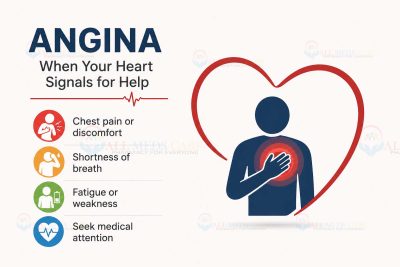 Different individuals can have different symptoms of angina. Chest pain is the most common symptom, although some may experience less obvious symptoms.
Common Symptoms include:
- Chest Discomfort: It is often described as pressure, squeezing, heaviness, burning or tightness in the chest and would typically be felt behind the breastbone, and may last for a few minutes.
- Pain Spreading to Other Areas: The pain can radiate to the upper abdominal area, neck, jaw, back, shoulders and arms.
- Shortness of Breath: If breathing is difficult when exercising or when stressed, it’s because the heart is not getting enough oxygen.
- Fatigue: Fatigue, particularly with everyday tasks, is a sign of decreased blood supply to the heart.
- Dizziness or Light headedness: Others experience a lack of strength, dizziness or fainting.
- Nausea and Sweating: Sometimes, angina can bring about indigestion-like symptoms, nausea and even excessive sweating.
Certain symptoms are less common, making it harder to diagnose angina in people with diabetes, older adults or women.
Types of Angina
Patients should know about the various types of angina in order to be able to recognise when they require medical assistance.
Stable Angina
Stable angina follows a predictable pattern. It typically occurs during physical exertion or emotional stress and improves with rest or medication.
Unstable Angina
When the pain is unstable angina, it may be greater and occur at rest at any time. Symptoms may get more severe, occur more often or for longer. This must be taken seriously, and a medical assessment should be made as soon as possible, as this could be the warning sign of a heart attack
Variant Angina
This is also known as Prinzmetal’s angina and is caused by a sudden spasm of the coronary arteries. It is very common at rest and can be debilitating in the form of intense chest pain.
Microvascular Angina
This form involves dysfunction in the small blood vessels of the heart rather than major coronary arteries. Symptoms may be persistent and more difficult to diagnose.
Diagnosing the Issue
Healthcare professionals can determine the cause of the discomfort in the chest and the effectiveness of the heart’s functioning in several ways.
Diagnostic tests could include:
- Physical examination
- Medical history review
- Electrocardiogram (ECG)
- Stress testing
- Echocardiogram
- Coronary angiography
- Blood tests
- Cardiac CT scan
Accurate diagnosis is essential for developing an effective treatment plan.
Treatment Options for Angina
Treatment aims to increase blood circulation to the heart, lessen symptoms and decrease the risk of heart attacks and other complications.
Lifestyle Modifications
The first crucial step towards the control of angina is to adopt a healthy lifestyle for many.
Recommended changes include:
- Following a heart-healthy diet
- Exercising regularly under medical guidance
- Maintaining a healthy weight
- Quitting smoking
- Managing stress
- Controlling blood pressure and cholesterol levels
Over time, these tweaks can make a huge difference to cardiovascular health. Post heart attack management steps are fairly important in this case.
Medications
Medications can be prescribed to help relieve symptoms and keep the heart working. Common treatments include:
- Nitrates to relieve chest pain
- Beta-blockers to reduce the heart’s workload
- Calcium channel blockers to improve blood flow
- Antiplatelet medications to prevent blood clots
- Cholesterol-lowering medications
- Blood pressure medications
Never take any medicine without asking the doctor’s advice.
Medical Procedures
However, in some instances lifestyle changes and medication will not be sufficient.
Other interventions include:
Angioplasty and Stenting
Sometimes a small balloon is used to open narrowed arteries and a stent is placed within the artery to keep it open.
Coronary Artery Bypass Surgery
This procedure opens a new route for blood to flow to the heart if the arteries are seriously clogged.
Preventing Angina
Prevention is reducing the cardiovascular risk factors and maintaining a healthy heart.
Helpful prevention strategies include:
- Eating a balanced diet rich in fruits and vegetables
- Staying physically active
- Monitoring blood pressure and cholesterol
- Managing diabetes effectively
- Avoiding tobacco products
- Limiting alcohol consumption
- Regular health check-ups
Early intervention may help to decrease the risk of developing angina and heart disease.

About John Davis
Healthcare Writer & Medical Content Author
John Davis is a content creator in healthcare with a career at AllMedsCare that consists of writing articles with knowledge for patients on pharmaceutical topics, health issues related to men and women’s health, sexual health during pregnancy, procedures, exercising, and... Read More
View all posts by John Davis


