
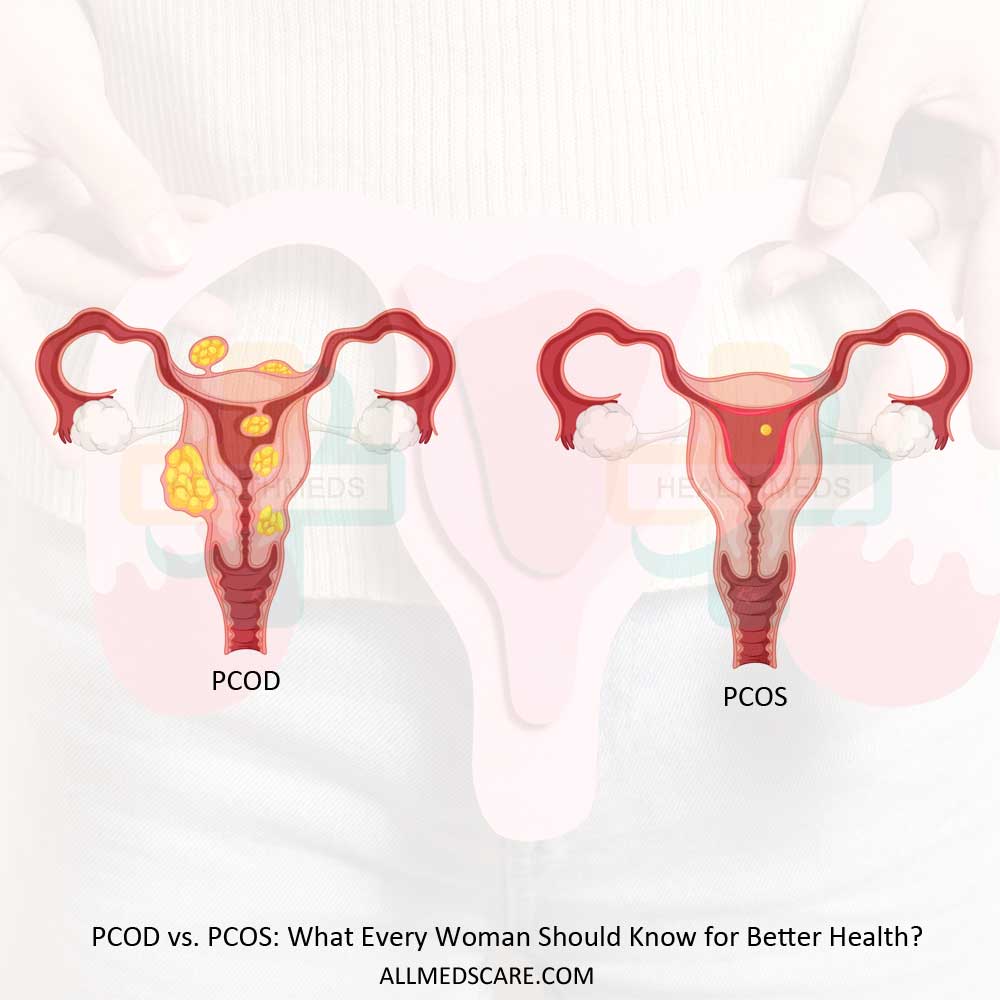
PCOD vs. PCOS: What Every Woman Should Know for Better Health?

Female reproductive health is defined by hormones, lifestyle, and genetics, as they are sensitive matters. Some of the most common hormonal diseases that affect the society of women today include PCOD (Polycystic Ovarian Disease) and PCOS (Polycystic Ovary Syndrome).
These terms are sometimes used interchangeably, but they are used to denote different conditions. The differences, symptoms and treatment plans will be learned so that women can make knowledgeable decisions relating to their own health and present themselves as their own health experts.
PCOD vs. PCOS have a lot more to learn concerning its causes and symptoms, the lifestyle as well as treatment of the same and thus in this blog, we shall spill it all.
The Definition of PCOD and PCOS.
What Is PCOD (Polycystic Ovarian Disease)?
PCOD is a hormonal condition that is attributed to excess production of immature or semi-mature ovarian eggs. Such eggs end up becoming cysts, hence leading to very large ovaries and hormonal imbalance. PCOD also leads to abnormal cycles, weight gain, acne and difficulty in conceiving in women, but overall, PCOD is again a manageable disease that is easily dealt with using diet and lifestyle alterations.
What Is PCOS (Polycystic Ovary Syndrome)?
Nevertheless, PCOS is a more significant metabolic condition, which not only has effects on the ovaries but also affects the hormonal and metabolic functioning of the organism. PCOS ovaries may not allow normal development of eggs (anovulation), and the concentrations of male hormone (androgen) are too high. This can result in infertility, type 2 diabetes and insulin resistance, and heart-related complications.
The Core Difference
PCOD indicates the presence of several cysts in the ovaries; PCOS is a systemic illness having a more complex hormonal, metabolic and reproductive result. Simply put:
- PCOD is a disease, a less serious disorder.
- PCOS is a syndrome, a more serious metabolic and hormonal disorder and consists of a large number of systems.
Differences Between PCOD and PCOS
PCOD (Polycystic Ovarian Disease) and PCOS (Polycystic Ovary Syndrome) are not to be mixed since they are heterogeneous in nature, severity and the impact of the disease that classified as a disorder on the health of a woman.
PCOD is a less severe form of hormone disorder whereby the ovaries are exposed to the overproduction of immature ova, which develop to produce cysts and irregular cycles, some weight gain and acne. It is commonly caused by unfavourable lifestyle habits, stress and inappropriate dietary habits, which can be easily remedied through lifestyle modifications.
PCOS is a more severe metabolic and endocrine syndrome that not only torments the ovaries but also attacks other organs. It provokes the growth in the quantity of male hormones (androgens), insulin resistance, abnormal or no ovulation and can lead to infertility at an untreated stage. Type 2 diabetes and overweight are also likely to be experienced, and cardiovascular conditions can also be realised among female PCOS patients.
PCOS can be managed and addressed in the long-term view and strict management of the hormones to prevent complications and re-establish the hormonal balance, in comparison with PCOD, which is easily manageable.
Recognising the Symptoms
Symptoms of PCOD
Women with PCOD may notice:
- Women with PCOD may notice:
- Women with PCOD may notice:
- Irregular or delayed menstrual cycles
- Weight gain, especially around the abdomen
- Mild acne or oily skin
- Hair thinning or hair loss
- Difficulty conceiving
In PCOD, symptoms are usually milder and can improve significantly with proper lifestyle management, such as maintaining a balanced diet and regular exercise.
Symptoms of PCOS
PCOS symptoms are likely to be more severe and may target various systems of the body:
- Excessive abnormal or missing menstrual periods.
- Hirsutism (excessive hair on the face, chest or back).
- Acne and oily skin
- Hair thinning or baldness
- Rapid weight gain or obesity
- Infertility with anovulation.
- Temper tantrums, nervousness, and sadness.
Because PCOS is a systemic condition, it can equally cause long-term health conditions like diabetes, high blood pressure and metabolic syndrome in case it is not handled well.
Risk Factors
PCOD and PCOS may strike women of reproductive age, but some factors predispose them.
1. Genetic Factors
Family history is of vast concern. In case your mother, sister or any close family member has PCOD or even PCOS, you are at a greater risk of developing it because the genetic inclinations of the endocrine system are prevalent in the family.
2. Lifestyle Impact
Neither of the two can be triggered in the absence of an inactive lifestyle, an unhealthy dietary choice, a lot of stress, or the absence of physical activity. Consumption of refined carbohydrates, sugars and processed foods adds to the problem of insulin resistance, which is also one of the biggest causes of hormonal imbalance.
3. Age and Hormonal Changes
PCOD and PCOS are likely to begin during the teenage years or the advent of the adult years, when hormonal variations are the most prevalent. However, an undiagnosed case will continue to affect even adults, including their fertility and overall metabolic condition.
4. Body Weight and Insulin Resistance
The PCOS women are the ones who are likely to be obese and overweight since the excess fat makes insulin resistance easy and disrupts hormone production in women. However, PCOD or PCOS can still be developed even by the skinny females as a result of genetic or hormonal reasons.
Treatment Approaches
PCOD or PCOS does not have any permanent cure; however, either can be successfully treated under medical supervision and lifestyle change, along with follow-up studies.
1. Lifestyle Modifications
It is on this basis that the treatment of the two conditions can be significantly reduced to a healthy lifestyle, besides resetting the hormonal balance.
- Balanced Diet: A Balanced Diet is concentrated on low-glycemic, high-fibre, and low-calorie vegetables and proteins. Avoid processed sugars, refined carbohydrates and junk food.
- Regular Exercise: This will be cardio, yoga, and strength training in order to become more sensitive to insulin and lose weight.
- Stress Management: Meditation, deep breathing and mindfulness will decrease the concentration of cortisol and increase the regulation of hormones.
2. Medications
The doctors can prescribe:
- Oral birth control pills are used to control the menstrual cycle and reduce androgen levels.
- Metformin as a sensitizer of insulin in PCOS.
- Female fertility drugs (Clomisign, fertogard) are used in women who are having problems conceiving.
- The anti-androgen medicines can be prescribed to regulate the growth of hair and acne.
3. Natural and Alternative Remedies
Natural treatments are usually beneficial to most women, including herbal supplements such as spearmint tea, cinnamon and inositol and holistic therapies such as Acupuncture. These are not supposed to substitute but are meant to supplement medical treatment.
4. Weight Management
A body weight percentage loss of 5-10% can lead to a radical change in menstrual regularity and fertility. Weight loss also helps in the reduction of insulin levels thus androgen production, which aids in re-establishing ovulation.
The Importance of Early Diagnosis and Regular Medical Consultations
Early diagnosis contributes significantly to the prevention of long-term complications of PCOD and PCOS. The problem is that many women overlook irregular periods or insignificant symptoms of hormones until the symptoms become unbearable.
Benefits of Early Diagnosis
- Averts infertility due to regular ovulation.
- Minimises the chances of heart disease and type 2 diabetes.
- assists in controlling weight and metabolic issues at an early stage.
- Enhances the health of skin and hair.
- Soothes psychologically using proper treatment and care.
Regular Medical Check ups
Once in a gym visit to the gynecologist or endocrinologist will result in the timely management. Blood tests measure the level of hormones and insulin resistance, and ultrasound scans are used to monitor ovarian health. Regular follow-up enables individual changes in therapy towards long-term success.
Lifestyle Tips
PCOD and PCOS are mostly lifestyle diseases, and thus, adoption of a healthy lifestyle can go a long way in controlling and even preventing the diseases.
1. Diet for Hormonal Balance
- Take small but regular meals to stabilise blood sugar.
- Take foods that are rich in omega-3 (salmon, walnuts, flaxseeds).
- Restrict white flour and refined sugar.
- Eat whole grains, greens, fruits, and legumes.
- Hydrate- consume at least 2-3 litres of water a day.
2. Exercise Regularly
At least 30-45 minutes of moderate exercise 5 days a week. The exercise programs, such as high-intensity walking, swimming, yoga, and resistance training, promote cycling and hormonal well-being.
3. Sleep Well
Insomnia may augment insulin resistance and cortisol. Be able to maintain a regular sleeping routine and get 7-8 hours of good sleep per night.
4. Manage Stress
Hormonal imbalances may be aggravated by stress hormones. Be mindful, do yoga, or go on a walk, doing things that you like.
5. Avoid Smoking and Excessive Alcohol
Both are able to exacerbate hormone imbalance and insulin resistance. Restraining or abandoning these practices will enhance reproductive and metabolic health.

About John Davis
Healthcare Writer & Medical Content Author
John Davis is a content creator in healthcare with a career at AllMedsCare that consists of writing articles with knowledge for patients on pharmaceutical topics, health issues related to men and women’s health, sexual health during pregnancy, procedures, exercising, and... Read More
View all posts by John Davis


