
Erection issues at 20, 30 or 40? What’s Normal & When to Worry

Are Erection Issues or Erectile Dysfunction Normal at Your Age? A Complete Guide for Men in Their 20s, 30s, and 40s
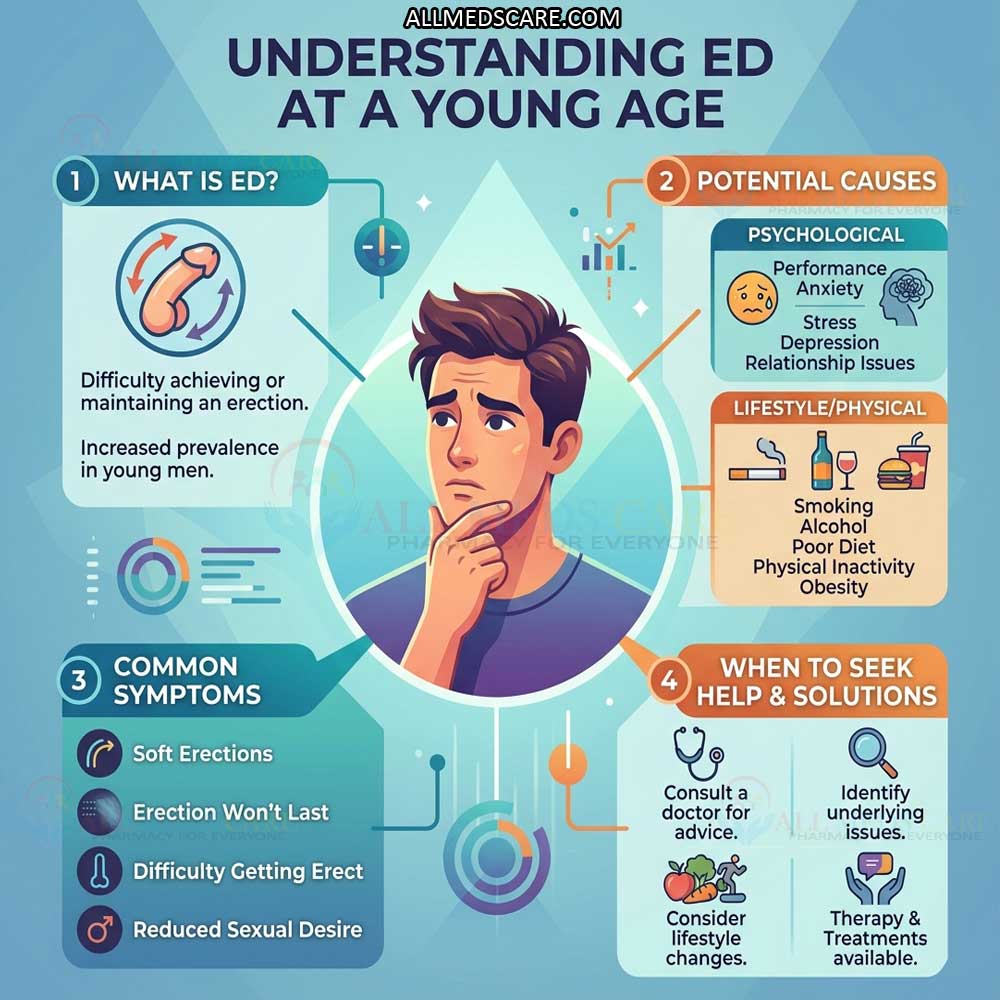
Erectile dysfunction is generally considered a condition that affects men as they age, but that’s only partially correct. The growing number of younger men in their 20s, 30s and 40s who experience erection issues with achieving or maintaining an erection is indicative of a problem that is quickly becoming a widespread concern.
Many men do not know how to be proactive about this condition and are therefore confused, afraid, and unsure about what course of action to take.
Because an erection issue can manifest itself differently, depending on the person and their specific circumstances. It is important to understand how erection issues appear at different stages of life so that you can take appropriate action to improve your self-confidence and overall sexual performance.
Defining Erection Issues
The definition of erectile dysfunction is the inability to create or maintain an erection sufficient for sexual activity. Most men experience at least one episode of poor erection in their lives, while most men will have multiple episodes of weak erection throughout their lives.
During these episodes, if you experience poor erections on multiple occasions or for long periods of time, there may be an underlying condition (e.g., cardiovascular, psychological, etc.) that is causing the problem.
This point should be made clear before continuing:
- Poor or weak erection is not always a permanent problem
- Most of these erection problems can be managed with the right approach
Is an Erection Problem Normal in Your 20s?
There are many young men in their 20’s experiencing problems achieving a strong erection and it’s entirely normal. Men at this age usually have a perfect body and health condition, hence even a single episode of poor erection can create unnecessary anxiety and stress.
Common Causes of Erection Issues in their 20s:
- Performance anxiety
- Stress and overthinking things
- Porn induced desensitisation
- Lack of confidence
- Sleep irregularity
Most younger men in their 20’s who have experienced a lack of stronger erections do not have serious physical problems unlike the older gentlemen. Hence, lack of strong erection in younger males is actually more psychological in nature, meaning the body can produce an adequate erection but there is a lack of mental ability to do so.
How it Becomes a Cycle?
Once a young man has failed to achieve an erection, they are typically concerned about the next time they are going to attempt to produce an erection. This anxiety usually creates erection issues which causes a “cycle” of anxiety leading to a continuous lack of ability to achieve or maintain a strong erection in 20’s.
What Can Be Done During This Time?
- Decrease levels of anxiety and stress
- Increase levels of sleep and establish routine sleeping habits
- Gradually build your self-confidence
- opt for medical check-up, medications, or other options
The key takeaway is that Erection issues in 20’s can be commonly associated with psychological factors and in reality most cases can be reversed.
Erection Issues in Your 30s: Where Lifestyle Starts to Matter
In your 30s, lifestyle becomes a key factor in erectile dysfunction (ED) or similar erection issues. Your 30s are generally the busiest time of your life. Concurrently, as your career develops, your relationships build, and you assume more responsibilities, you end up under constant stress.
This is where ED transitions from being primarily psychological in nature to being a combination of psychological and physical causes.
In your 30s, there are several common causes for an erection problem:
- Chronic stress and burnout
- Lack of physical exercise
- Poor nutrition and weight gain
- Tobacco and alcohol habits
- Early signs of decreased blood flow
Once men reach their late 30’s, they may begin to notice that their erections are not always as firm or as long-lasting as they have been in the past. While this may happen infrequently, it is enough to concern most men.
When men reach their 30’s, they are usually looking for:
- A solution that is fast-acting
- A solution that is simple without the requirement for extensive planning
- A solution that has minimal impact on their normal routine
Practical ways to improve ED:
- Regular cardiovascular exercise
- Balanced diet and nutrition
- Limiting alcohol and tobacco use
- Managing stress well
Poor erection in 30’s can be a sign of something more serious that requires medical attention; addressing it early can result in better long-term sexual health.
Erection Issues in Your 40s and Beyond: A Physical Shift
Physical changes occur as men reach their 40’s or older and experience ED due to decreased blood flow, fluctuating hormones, and/or pre-existing medical conditions.
Common reasons why men in their 40’s experience an erection problem
- Decreased circulation
- Low levels of testosterone
- High blood pressure
- Diabetes or other metabolic disorders
- Side effects of prescription medications
For many men, ED has developed into a constant issue rather than an infrequent one.
What Are Men Looking for In Their 40’s and Older?
- Reliable and consistent results
- Longer duration of effectiveness
- Predictable outcomes
Why Men in their 40’s with erection issues need immediate medical attention
ED in this age group could be an early warning sign of heart disease or other physical health problems. In addition to sexual performance, taking steps to improve ED will benefit your overall health.
Leading Cause of Erection Issues Among Young Men
Over the past few years, there has been a marked increase in diagnosed cases of Impotence among younger men. Although advancing age is a risk factor, lifestyle habits associated with modern society are propagating this problem much faster than ever before.
This shift can be attributed to five main factors:
1. Rise in stress and mental strain
High levels of stress are affecting us more than ever because of high demands at work and social comparisons. They can lead directly to less effective sexual performance.
2. Sedentary lifestyle
Long periods spent sitting, very little routine exercise, and improper postures can negatively impact blood circulation, which is one of the most important parts of having an erection.
3. Overexposure to Porn
Addiction to watching porn or adult content can dull a man’s sensitivity and provide unrealistic expectations.
4. Disrupted sleep patterns
Sleeping at odd hours negatively impacts many hormones, including testosterone, and it is important to keep the body’s sexual health in check.
5. Increased awareness of ED
More men are willing to speak on erection issues and seek ways to address them, which makes it seem as if there are many more cases than there were previously.
When should one consider erection issues seriously?
In most cases, ED (erectile dysfunction) is not caused by any physical problem and does not require medical intervention. While erection issues can lead to relationship issues (often due to loss of confidence), men should start addressing their ED on a case-by-case basis.
If you experience frequent erection issues, they are diminishing your confidence, impacting your relationship, or resulting in a significant amount of stress, you should take it seriously and reach out for medical help.
Ignoring this problem is often worse for most men than if they do something about their Erection issues. Most of the time this is compounded by psychological factors.
Methods to Naturally Achieve a Strong Erection
To start, the majority of men can successfully boost erectile health with lifestyle changes before utilizing any external support.
- Regular ExerciseThis can promote blood flow and increase testosterone production.
- Healthy DietNourishing foods will support your vascular and energy systems.
- Quality SleepHealthy sleep will regulate hormonal production and general performance.
- Decreasing AnxietyPractices such as meditation, breathing techniques or engaging in hobbies can all help decrease performance-related anxiety.
Alternative Support Options Available
For men needing more immediate relief or looking for a consistent solution to overcome poor erections. Medical support options such as Tadalafil or Sildenafil Citrate tablets to attain a quick erection are easily available.
When taking into consideration which type to use, men tend to choose based on:
- Desired time from use to effect (immediate vs after several times).
- Frequency of use (daily vs as needed).
- Personal comfort and convenience when using.
Today’s modern, non-invasive solutions have been designed with the following in mind:
- Discretion when being utilized.
- User-friendly design.
- To produce results when needed.
When used responsibly, additional support will assist in breaking the cycle of anxiety and allow you to regain confidence.
The Psychological Aspect of Erectile Dysfunction Can Be Overlooked
One of the areas of erectile dysfunction (ED) that is often overlooked is the psychological component of ED.
This includes:
- Loss of confidence.
- Fear of failure.
- Avoiding intimacy with partner.
- Added stress in relationships.
Even minor physical causes of ED can create significant psychological issues. To achieve a successful long-term outcome, both the mind and body components must be addressed.
Is Erectile Dysfunction Normal at Your Age?
The condition continues to affect all ages, although it may be more prevalent in older men, younger men have become a growing population of new patients with erection issues due to various aspects of a non-traditional way of living in the modern world.
Each patient with erection issues must know:
- You are not Alone
- It Is More Common Than You Think
- Most Cases of Erection issues can be improved
Once you have identified the root cause of the erection issue, be it psychological, physical, or both; is the first step towards taking back control of your life through education and treatment options.

About John Davis
Healthcare Writer & Medical Content Author
John Davis is a content creator in healthcare with a career at AllMedsCare that consists of writing articles with knowledge for patients on pharmaceutical topics, health issues related to men and women’s health, sexual health during pregnancy, procedures, exercising, and... Read More
View all posts by John Davis


