
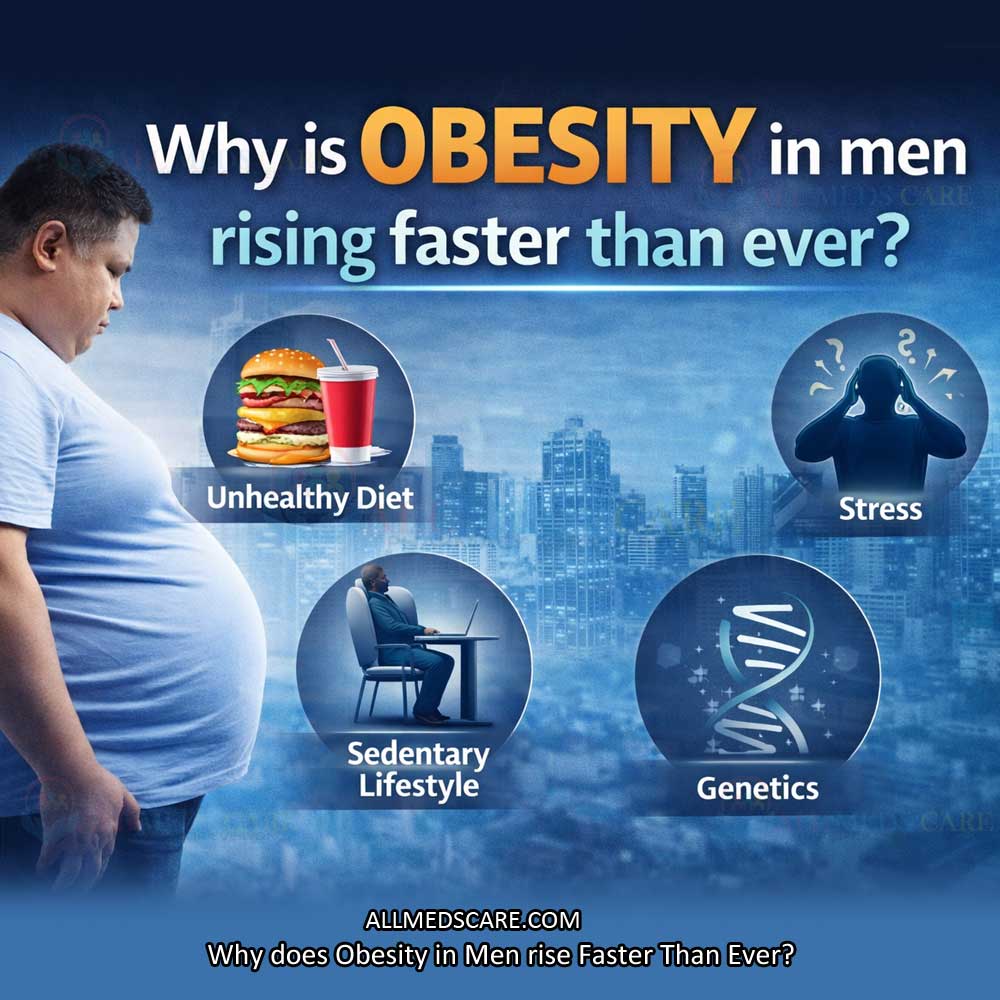
Why does Obesity in Men rise Faster Than Ever?
The problem of obesity among men has been a silent yet increasingly accelerating health issue in the population around the globe. Although the topic of managing weight is mostly associated with women, male obesity is increasing at an alarming rate, and it comes with dire physical, mental, and social implications. The lifestyle, work schedules, eating habits and strain have transformed the manner in which men live, eat and move, leading to the prevalence of excess weight.
The initial step to preventing and effectively treating male obesity is understanding it. With a solution to its causes, risks, and solutions, men will be able to regain power over their health and quality of life.
Male Obesity Statistics and Prevalence
In most nations, there has been a progressive rise in the levels of obesity among adult men in the last twenty years. The males in middle age are especially susceptible, but the young men are increasingly exhibiting the signs of unhealthy weight gain. Abdominal obesity—fat around the waist—is more prevalent in men and more hazardous to metabolism than extra overall weight.
The common obesity among men is strongly associated with the process of urbanization, sedentary jobs, excessive commuting, and convenient access to high-energy foods. These tendencies emphasize the necessity of awareness and early intervention.
What Is Obesity?
Obesity refers to a condition of the body that is marked by a lot of fat that is harmful to health. It is usually determined by the Body Mass Index (BMI), with a BMI of 30 and above being considered to be obese. Nevertheless, waist circumference and fat distribution are also of great importance in men since visceral fats lead to the additional risk of heart diseases and diabetes.
Obesity is not a cosmetic problem; it is a chronic illness that needs to be dealt with, and lifestyle changes over a long period of time.
Risk Factors for Obesity in Men
Several factors contribute to obesity in men, including:
- Poor dietary habits
- Low physical activity
- Hormonal changes with age
- Genetic predisposition
- Chronic stress and sleep deprivation
These are naturally self-reinforcing, and this is why weight gain is slow and steady.
The Prime Causes of Obesity in Men
Unhealthy Diet
Diet Men tend to consume a lot of processed foods, refined carbohydrates, sweet drinks, and saturated fats. The consumption of excess calories is also caused by eating out frequently, eating late, and eating large food volumes.
Sedentary Lifestyle
The amount of energy spent per day has been greatly lowered due to long working hours, time on the screen, and less physical work. Most men can hardly find time to exercise regularly because of time or lethargy.
Hormonal Imbalance and Weight Gain
Reduced levels of testosterone, especially in old age, may slow down metabolism, increase fat storage and decrease muscle mass. Men are prone to obesity due to hormonal imbalance; however, the contribution of this factor has been largely overlooked.
Genetics and Weight Issues
Some men are genetically inclined to easily gain weight or to accumulate it in the abdomen. Although nothing can be done to modify genetics, the choice of lifestyle can have an enormous impact.
Stress and Emotional Eating
Stresses at the workplace, financial needs, and family commitments usually compel men to address stress by overeating, drinking, or eating comfort food, contributing to weight gain in the long term.
How Obesity Impacts Physical Health in Men
Obesity Health Risks for Men
Overweight is a risk factor that predisposes an individual to various chronic diseases, decreasing life expectancy and life quality
Heart Disease and Weight Gain
Obesity also causes high cholesterol, plaque in the arteries, and inflammation, which would greatly increase the risk of heart attacks and strokes, the major causes of death in men.
Diabetes Risk Factors
Abdominal fat interferes with the activity of insulin, and in this regard, obese men have a higher chance of getting type 2 diabetes. The uncontrolled blood sugar levels aid in further weight gain, which is a vicious cycle.
High Blood Pressure from Obesity
Further burden on the heart and the blood vessels because of a greater amount of fat in the body makes the blood pressure increase and cardiovascular complications appear.
Joint Pain and Mobility Issues
Excess weight strains the knees, hips and lower back, leading to chronic pain, low mobility, and premature degeneration of the joints.
Mental and Emotional Effects
Obesity Mental Health Effects
Obesity not only affects physical health, but it also has a cost on mental health. Many men are tortured by the emotional condition related to their weight.
Self-Esteem Issues from Weight Gain
Discontent with the looks and the negative attitude towards the body may lead to a decrease in self-esteem that influences the relations with other people and personal relations.
Depression and Anxiety in Obese Men
Shame, overweight, health problems, and physical inability can predispose to depression and anxiety, especially when men feel weak or lonely.
Social Stigma of Male Obesity
Despite the growing awareness, obese male patients are usually judged in society and the workplace and therefore do not wish to be assisted or discuss their situation with others.
The Impact on Quality of Life
Obesity Affects Relationships in Men
Romantic relationships and intimacy can be damaged by physical limitations, low self-confidence, and hormonal changes. Health problems relating to weight can also lower involvement in family activities.
Professional Life Challenges Due to Weight Issues
Productivity, mobility, and confidence in the workplace may be affected by obesity. Men can feel tired, uncomfortable in extended hours, or discriminated against in some of the job positions.
Reduced Energy Levels at Work from Obesity
Being overweight can cause low quality of sleep, low energy, and constant health issues, which impact concentration, productivity, and professional development.
Taking Action
Prevention of Male Obesity Tips
The lifestyle changes are important at an early stage. Simple routines like taking time to eat your meal and doing some exercise every day can avoid becoming overweight.
Healthy Lifestyle Choices for Men
- Prioritize sleep and stress management
- Reduce alcohol intake
- Stay physically active throughout the day
Exercise for Weight Loss in Men
Strength training combined with cardiovascular exercise can result in fat burning, maintenance of muscle mass, and an increase in metabolism. Even 30-45 minutes of light activity would help to make a difference.
Medicines for Weight Loss in Men
Weight-loss drugs such as Wegovy, Mounjaro, Obezita and many more are prescribed by medical professionals in such instances that obese men have health conditions associated with obesity. They should never be administered without lifestyle modifications and without a professional consultation.
Balanced Diet Plans for Men with Obesity
Lean protein, whole grains, vegetables, healthy fats, and moderate quantities are used to help achieve healthy weight loss. The trick is to maintain a steady course as opposed to an extreme diet.