
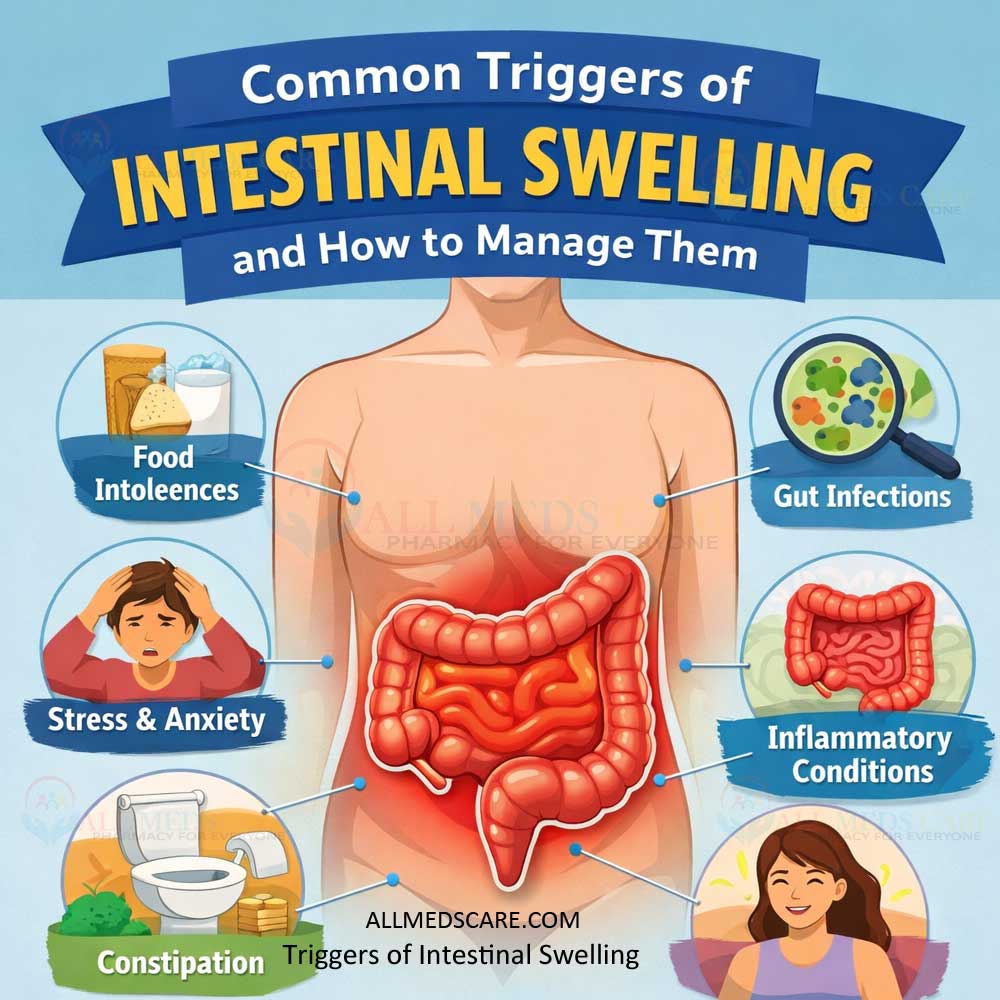
Common Triggers of Intestinal Swelling and How to Manage Them
Intestinal swelling is a widespread but poorly understood digestive issue that most of the population in the world experiences. Swelling in the gut can be physically and emotionally exhausting, whether this presents itself as continuous abdominal bloating following the intake of food or constant digestive irritation that interferes with the normal lifestyle. The good news? It is controllable in most situations, as soon as you know the triggers, and put in the efforts that would benefit your digestive system.
The gut has a key role in the absorption of nutrients, the immune system, and even mental processes. It may disrupt these processes when the inflammation or irritation of the intestines occurs. Through finding some of the basic causes of gut inflammation and using some useful lifestyle and diet changes, you will have a chance to considerably decrease the symptoms and enhance your overall condition.
This is a must-have guide on the most frequent causes of intestinal swelling and provides practical suggestions to assist you in getting your gut under control.
Symptoms and Causes of Intestinal Swelling
Inflammation or distension of the digestive tract is known as intestinal swelling. It usually presents itself in the form of bloating of the abdomen, fullness, tightness or palpable abdominal enlargement. Whereas a little bit of bloating is normal (particularly following a big meal), acute or recurrent swelling can point to serious digestive problems.
Signs of Intestinal Issues
- Bloating and pressure in the abdomen.
- One of gas and excessive flatulence.
- Cramping or abdominal pain
- Diarrhea or constipation
- Nausea
- Changes in bowel habits
Such symptoms can either be sporadic or chronic. The body can react to the irritation of the digestive tract by inflammation, gas secretion, or even by changing motor activity, which is accompanied by discomfort.
Causes of Intestinal Swelling
There are many causes of inflammation of the gut. The major culprit in some individuals is diet. In other instances, it may be stress, infections or some chronic medical conditions. Swelling of the intestine can be brought about by inefficient digestion, food intolerance, bacterial imbalances in the guts and immune responses.
It becomes very important to have an idea of what the problem is. Even though the emerging swelling in the short term can be due to overeating or consuming food that generates gases, the inflammation in the long run requires more thorough examination and particular therapy.
Dietary Triggers: Foods That Lead to Intestinal Swelling
Digestive health is directly related to food consumption. Foods are also known to cause bloating and intestinal swelling in sensitive people.
Foods That Cause Bloating
- Beans and legumes
- Fruits and vegetables (kale, broccoli, cabbage, brussel, cauliflower, cassava, cucumber, and drupins).
- Carbonated beverages
- Fried and fatty foods
- Highly processed snacks
These foods may either raise the amount of gas produced or retard the rate of digestion, hence leading to abdominal distension.
High FODMAP Foods
FODMAPs (Fermentable Oligosaccharides, Disaccharides, Monosaccharides, and Polyols) are short carbohydrates that are not well absorbed in the small intestine. High FODMAP foods include:
- Onions and garlic
- Apples and pears
- Wheat products
- Certain dairy products
- Sweeteners like sorbitol
These carbohydrates are fermented in the gut, leading to gas production and hence bloating and discomfort. The type of triggers can be discovered with the help of an under-supervised low FODMAP diet.
Lactose Intolerance
A type of sugar present in dairy, lactose, cannot be digested by everyone. (digestive problem) They lack enough of the enzyme lactase. In the case when the lactose enters the colon, the gas, diarrhea and bloating occur. One can opt to buy products that are vegan or lactose-free. It is notable to add that the fact that they have incorporated these options can make a difference to many people. There is no need to feel cheated when deciding on the diet that fits the interests of an individual.
Gluten Sensitivity
Many individuals react adversely to gluten (a food protein). Swelling and digestive issues are often experienced. Monitoring gluten intake might not always identify problem sources.
Artificial Sweeteners and Swelling
Digestive upset may be induced in certain individuals by sugar substitutes like sorbitol, xylitol and aspartame. These man-made sweeteners are capable of fermenting the gut or attracting water into the bowel, resulting in bloating and gas.
Dietary awareness and a food journal can also be used to identify diet patterns as well as problematic foods.
Lifestyle Factors Contributing to Intestinal Swelling
The diet is not the only element. Digestive health is highly dependent on lifestyle habits.
Stress and Digestion
The gut and its brain are close to each other in the gut-brain axis. Chronic stress can disrupt normal digestion because of the alteration of gut motility and inflammation. Stress may also make the symptoms worse in people with certain degree of digestive illnesses.
The use of stress-relieving mechanisms such as meditation, deep breathing, yoga, or time outdoors can have a beneficial effect on gut health.
Lack of Exercise and Intestinal Health
Exercise would help in the proper digestion process by increasing the movements of the intestines. A sedentary lifestyle can reduce the rate of digestion and thus cause constipation and bloating. Even moderate exercise of 20-30 minutes a day, e.g., walking, can improve the work of the intestines.
Effects of Dehydration on the Gut.
Without water, digestion cannot be done. Dehydration can result in hardened stool, and the transit time can also become reduced, hence increasing the likelihood of constipation and swelling. Taking enough fluids allows nutrients to be absorbed and the wastes are released.
Difficult Sleep and intestinal problems.
Sleep plays a crucial role in controlling inflammation and immunity. Ineffective or insufficient sleep can disrupt the gut bacteria equilibrium and worsen stomach aches. Good digestive health cannot be achieved without getting a good night’s sleep of 7-9 hours.
Health Problems Associated with Swelling of the Intestines.
Continuous intestinal swelling can be grown to be an indication of a medical condition that needs a professional review.
Irritable Bowel Syndrome (IBS)
IBS refers to a gastrointestinal disorder that affects the intestines and the stomach in extreme instances.
IBS is a major functional gastrointestinal disease that causes abdominal pain, bloating, and bowel disruption. The disease is caused by stress, food variations and hormonal variations, though its cause is still unknown.
Inflammatory Bowel Disease (IBD)
Inflammatory bowel disease (IBD), which is the same thing as Crohn’s and ulcerative colitis, can be defined as chronic inflammation of the digestive system. Inflammation of the digestive system is characterized by various symptoms such as sharp pains, diarrhea, fatigue, and unintentional weight loss. Inflammatory bowel disease is something that must be treated.
Celiac Disease Symptoms
Celiac disease is an autoimmune disease, and it is normally induced by the intake of gluten. It kills the inner lining of the small intestine, in which the intestines are swollen, the nutrients are not absorbed as they are supposed to be, and diarrhea, bloating and fatigue are experienced. The management of the disease involves a gluten-free diet.
Food Allergies and Intestinal Swelling
Real food allergy can lead to reactions of the human immune system in the digestive system. The effects of consuming such allergy-rich foods are swelling, cramping, and diarrhea. Allergic reactions can cause critical situations, and they must be taken care of at once.
However, if the symptoms present themselves as common, severe, or progressing, medical investigation into the cause of the symptoms might be required.
Effective Management Strategies for Reducing Intestinal Swelling
Luckily, the majority of instances of intestinal distension can be addressed by means of specific lifestyle and nutrition changes.
Bloating Remedies
Simple remedies to relieve bloating include:
- Consuming fewer and more frequent meals.
- Chewing food thoroughly
- Avoiding carbonated drinks
- Making light post meals walks.
- Warm compresses for abdominal discomfort.
Digestive pain can also be relieved using such herbal teas as peppermint or ginger.
Anti-Inflammatory Diet for Gut Health
An anti-inflammatory diet emphasizes:
- Fresh fruits and vegetables
- Lean proteins
- Whole grains (if tolerated)
- Good fats such as fish with omega-3 and olive oil.
- Fermented milk, including yogurt, kefir and sauerkraut.
Inflammation can be reduced by minimizing the use of processed foods, extra sugar, and refined carbohydrates.
Lifestyle Changes for Digestion Improvement
To enhance the digestive system, it may be necessary to use the holistic approach:
- Manage stress consistently
- Ensure that you exercise regularly.
- Stay hydrated
- Get into a regular sleeping schedule.
Consistency is key. Minimal improvements in day-to-day lives tend to yield big returns in the long run.
Probiotics and Intestinal Health Tips
Probiotics are useful microbes that facilitate a normal gut flora. They can be used to aid in decreasing bloating and returning to normal digestion. Probiotics come in supplements and are naturally found in fermented foods.
However, responses vary. It is always good to consult a healthcare provider when beginning to take supplements so that they are not inappropriate.
When to Seek Professional Help for Persistent Intestinal Swelling
Sometimes, the bloating is normal, but some of the symptoms need medical care.
Worrisome Symptoms of Abdominal Swelling
Ask assessment in case you are feeling:
- Abdominal pain that is severe or persistent.
- Unexplained weight loss
- Blood in stool
- Constipation or chronic diarrhea.
- Fever
- Vomiting
These symptoms can be evidence of chronic intestinal inflammation or more severe disorders.
When to See a Doctor for Bloating
When the bloating becomes an inconvenience to daily routines, over a span of several weeks or gradually gets out of hand, it is recommended to see a medical practitioner. Early identification increases the outcome of treatment and avoids complications.
To establish the underlying cause, a doctor can order blood tests, imaging, stool analysis or endoscopy.
Final Thought
The swelling of the intestines may be quite an issue with the quality of life, yet knowing the causes is the first step to take. The little things can produce big outcomes, like gaining knowledge of the causes of bloating or how to cope with stress.
Awareness begins with trying to improve the health of the digestive system. Pay attention to the cues of your body, avoid swelling, and implement gut-friendly practices, such as an anti-inflammatory diet, water consumption, probiotics, or long-term health through the help of a specialist.