
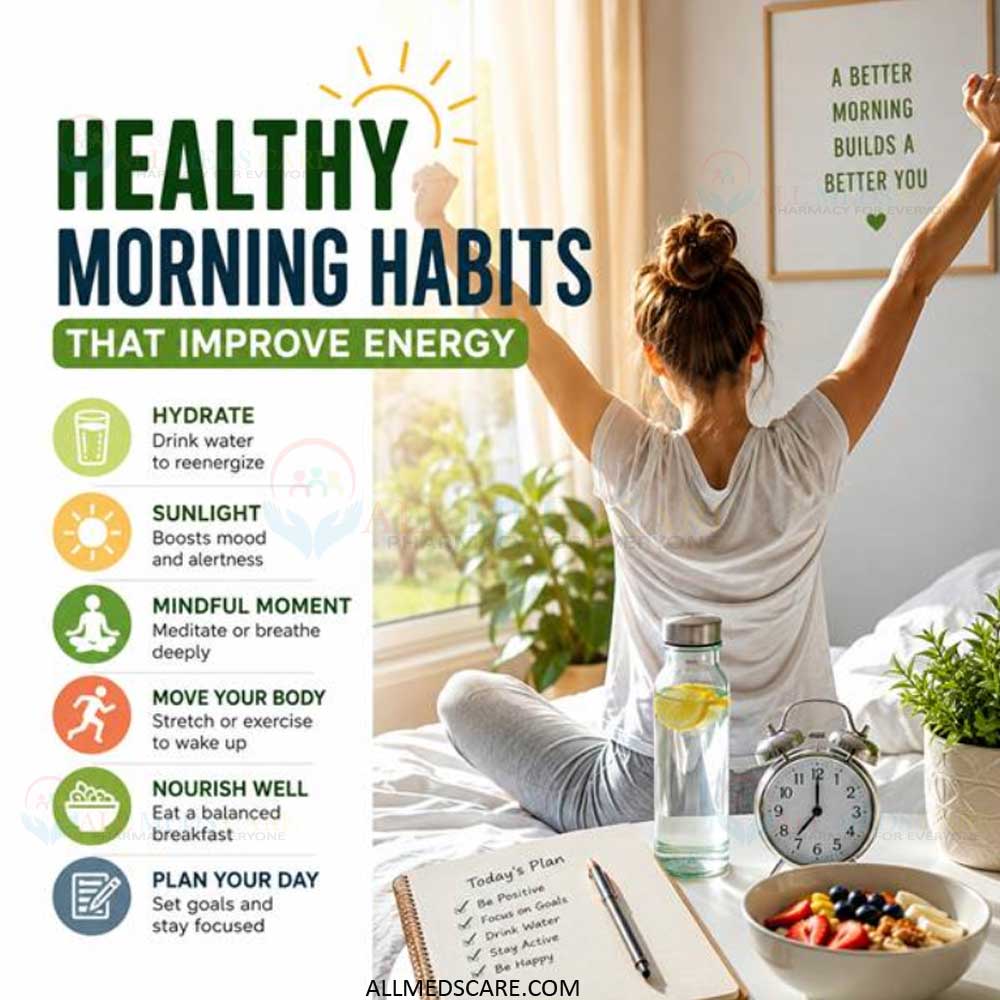
Morning Habits That Naturally Recharge Your Body and Mind
Are good Morning Habits really necessary? Well, For the majority of people, the key to an active day is a good cup of coffee or an expensive energy supplement. These can do a short-term favor to your body, but the key to a lifelong energy boost is how you treat your body in the first hour after waking up.
Consider morning your “reset button” for the brain, metabolism, hormones and mood. Whether you feel productive or exhausted all day long depends on the habits you form prior to checking your phone or rushing off to work.
Rather than the traditional recommendations of getting up early and getting in a workout, let’s look at some science-based and underutilized morning habits that really help boost energy and provide a feeling of freshness.
The best Morning Habits schedule to follow!
Your First 30 Minutes Matter More Than You Think!
The body has an internal clock known as the Circadian rhythm. While you sleep, your body repairs tissues, balances hormones and saves energy. Switching these systems into “day mode” is determined by the way you wake up.
When your impulse is to pick up the phone, your brain enters a stress state, processing your emails, notifications and social media. This brain overload takes energy while you’re still in bed.
Rather, have a soothing change in rhythm between sleep and activity. It is possible to decrease mental fatigue for the remainder of the day even after a peaceful five minutes.
Don’t Wake Up0- Wake Up Slowly
When the alarm goes off, many people get up. Believe it or not, it can leave you feeling groggy after this abrupt transition.
Instead, stretch for 2 or 3 minutes while lying down. Bend up and down at the ankles, stretch arms, twist body slowly and breathe slowly.
These movements:
- Increase blood circulation
- Wake up stiff muscles
- Improve oxygen delivery
- Reduce morning dizziness
Your body begins producing energy naturally without feeling rushed.
Take out the Curtains Before You Look at Your Phone.
One of the best cues your brain has to get ready for alertness is natural sunlight.
Daylight helps within minutes of exposure:
- Increase alertness
- Improve mood
- Reduce sleep hormones
- Support healthy cortisol timing
No sunlight is required. Drinking water near a bright window can make a world of difference in terms of energy levels.
Rehydrate Before You Eat
After a period of sleep, the body will lose water through breathing and sweating.
Even slight dehydration can cause:
- Brain fog
- Headaches
- Low concentration
- Reduced physical performance
Drink 1 or 2 glasses of water before coffee or breakfast. It is not required to add lemon, but it can help to assist good hydration if desired.
Rather than Scrolling, try “Brain Priming”
The first information you get in your brain can form your mindset.
Instead of checking out social media, use five minutes to do something good for your mind:
- Read 1 page of a motivational book.
- Listen to relaxing music.
- Write today’s top three priorities.
- Practice gratitude.
- Solve a simple puzzle.
These small activities prepare your brain for focused thinking instead of reactive thinking.
When eating, choose foods that provide stable energy release instead of foods that fill you up.
There are a lot of breakfasts that offer rapid energy without providing long-lasting calories.
If you’re eating something high in refined carbohydrates, your blood sugar could spike and drop, so you will be so exhausted by lunch time.
Instead, build a breakfast that combines:
- Protein
- Healthy fats
- Fiber
- Complex carbohydrates
Examples include:
- Greek yogurt topped with berries and nuts.
- Oatmeal with seeds
- Eggs served with whole-grain toast
- Smoothie with spinach, banana, oats and protein
Balanced nutrition provides slower energy release throughout the morning.
Wake Up Your Brain With Temperature Changes
Most people don’t know that temperature affects alertness.
A slightly cool shower or cold water to the face will stimulate the nervous system and make you more awake.
You don’t need an icy shower.
Transitioning from a warm to cool shower at the end of the shower can refresh many people, even if it’s after a regular shower.
Move for Energy, Not Calories
Morning exercise isn’t all about burning fat.
Low-intensity activity such as walking stimulates blood flow, increases oxygen supply, and releases “feel-good” chemicals called endorphins.
An hour-long exercise session is unnecessary.
Try:
- Five minutes of yoga
- Light dancing
- Walking outside
- Bodyweight stretches
- Climbing stairs
It’s just an attempt to send a message to your body that the day has begun.
Use the “No Rush” Rule!
Ironically, rushing wastes energy.
Stress hormones stay high for hours when people rush through all their morning activities.
Rather than setting the alarm clock at the last minute, set it 15-20 minutes before.
This small change often results in:
- Better concentration
- Improved mood
- Less anxiety
- Higher productivity
A calmer start usually results in more energy later.
Give Your Eyes a Gentle Start
Most people expose their eyes to bright phone screens within seconds of waking.
This means that the digital stimuli have become a constant and are associated with eye strain and mental fatigue.
Instead:
- Look outside for a few minutes.
- Blink naturally.
- Focus on distant objects.
- Delay screen time when possible.
Your eyes—and brain—will thank you.
Activate Your Senses
Your senses strongly influence alertness.
Simple sensory habits can naturally improve energy:
- Fresh air through an open window
- Pleasant essential oil aromas like peppermint or citrus
- Soft background music
- A clean, organized bedroom
- Comfortable lighting
These cues assist your brain in activating.
Don’t Let Your Morning Become Habit!
Interestingly, novelty is a joy for the brain.
It can become routine and mental to do the same routine every day.
Commit to making one change at a time – one week at a time:
- Walk a different route.
- Prepare a new healthy breakfast.
- Listen to a different podcast.
- Read an inspiring article.
- Stretch in a new location.
The brain is kept active and stimulated through small changes.
Create an “Energy Ritual” rather than a To-Do List!
Many people make a productivity checklist for the morning.
Instead, ask yourself:
“What gives me energy?”
For one person, it’s reading.
For another, it’s meditation.
The other person is energized by music or a brief walk.
Establish a habit related to activities that truly rejuvenate you, not just make you productive.
Protect Your Morning From Decision Fatigue
Every decision uses mental energy.
Choosing clothes, breakfast, or work priorities repeatedly each morning can slowly drain your focus.
Reduce unnecessary choices by:
- Planning breakfast the night before
- Preparing clothes in advance
- Packing your work bag early
- Creating tomorrow’s task list before bed
A simplified morning leaves more mental energy for meaningful work.
Fuel Your Mood Through Conversation
A feeling of positive social interaction also increases energy.
Any interaction with another person can enhance mood and motivation, even if it’s just a conversation with a family member, neighbour or a colleague.
If you live on your own, then think about:
- Calling a friend
- Listening to an uplifting podcast
- Saying good morning to someone during your walk
Human connection is often an overlooked source of emotional energy.
Don’t fall into the “Weekend Reset Trap”!
A lot of people get up in the morning on the weekends at very different times.
This is not a good thing, as it messes with the body’s internal clock and can lead to that Monday morning fatigue.
Having a similar time to wake up even on weekends contributes to a better energy rhythm during the week.
Quality Sleep Starts the Night Before!
Morning energy isn’t created in the morning alone.
Even the best morning habits cannot fully compensate for poor sleep.
Support better mornings by:
- Sleeping at a regular time
- Limiting heavy meals before bed
- Reducing late-night screen exposure
- Keeping your bedroom cool and quiet
- Creating a relaxing bedtime routine
A good morning actually starts the previous evening.