
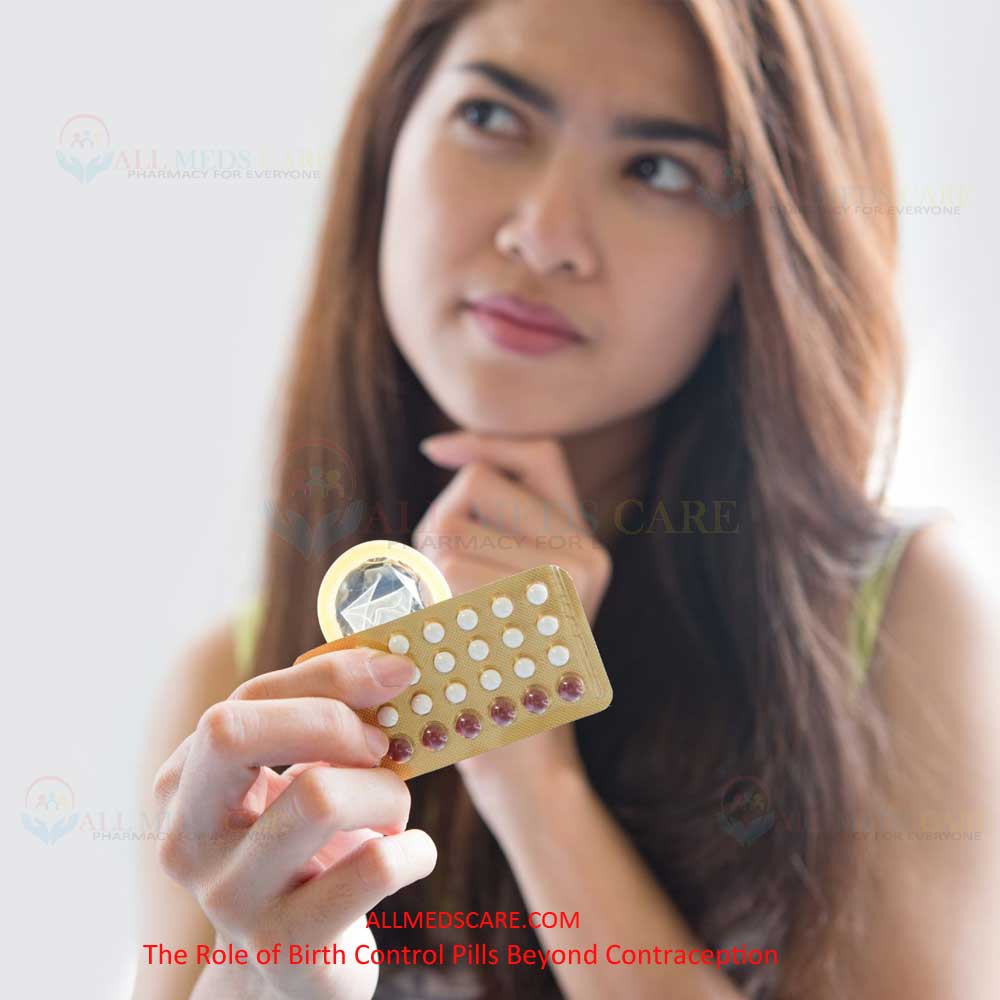
The Role of Birth Control Pills Beyond Contraception: Health Benefits Explained

Why birth control pills are used for more than pregnancy prevention
A lot of people don’t start “the pill” because they’re trying not to get pregnant.
They start because their periods are a mess. Or cramps knock them out for two days. Or their skin goes off a cliff every month right before their period. Sometimes it’s all of the above, and you just want one thing to be… normal. Predictable.
So when we talk about birth control pills, it helps to remember the name is kind of incomplete. Yes, they prevent pregnancy. But they also change hormone patterns in a way that can affect bleeding, pain, acne, and other symptoms that are tied to the menstrual cycle.
Quick definition, without turning this into a textbook:
- Combined oral contraceptive pills (COCs) contain an estrogen plus a progestin.
- Progestin only pills (POPs) contain just a progestin.
Both types can prevent pregnancy, but combined pills are the ones most often discussed for non contraceptive benefits like cycle control and acne support, because estrogen plus progestin tends to give a more predictable “script” to the cycle for many users.
You might also hear specific pill names in these conversations. For instance, Femilon, which is a combined oral contraceptive that people may be prescribed and discussed in the context of acne or cycle regulation. This is not to say it is right for everyone, or that any brand is “best”. It’s just an easy example of the kind of formulation people mean when they say “combined pill.”
One more expectation to set early: the benefits can be real, but pills are not one size fits all. Side effects, medical history, migraine patterns, smoking status, clot risk, and goals all matter. This is the kind of thing that’s worth a short, honest chat with a clinician instead of guessing your way through it.
Quick primer: how combined birth control pills work (in plain English)
Combined birth control pills mainly work in three ways:
- They suppress ovulation. No ovulation, no egg released, and pregnancy becomes much less likely.
- They thicken cervical mucus. That makes it harder for sperm to move through the cervix.
- They stabilize the uterine lining (endometrium). Instead of building up and shedding in a more chaotic way, the lining tends to stay thinner and more controlled.
Now the interesting part. Those same mechanisms connect directly to the “beyond contraception” effects.
- If you stabilize the endometrium, you can often get more predictable bleeding and sometimes less heavy flow.
- If you reduce the cycle’s hormonal peaks and dips, some people notice less cramp intensity and fewer “my period is coming and I feel awful” swings.
- Certain combined pills can also lower androgen activity in the body for some users, which can matter for acne and other androgen related symptoms.
Timelines vary, but as a rough guide:
- Some changes, like more predictable timing or lighter bleeding, can show up within 1 to 3 cycles.
- Acne and androgen related changes often take longer, commonly 2 to 6 months.
And this is where people get confused and frustrated, because “the pill” is not one single thing. Pills differ by:
- Estrogen dose
- Progestin type
- The balance of hormonal effects (some progestins are more androgenic than others)
So two people can take different combined pills, or even the same one like Femilon, and have totally different experiences. It’s not imaginary. It’s formulation plus body chemistry plus the original problem you’re trying to solve.
Period control: lighter bleeding, less pain, and more predictable cycles
Irregular periods and unpredictability
If your natural cycles are irregular, combined pills can create something that feels more orderly. Many people on combined pills have a predictable “withdrawal bleed” during the pill free interval (or placebo week). It is not exactly the same as a natural period, but practically speaking it can feel like a big upgrade: you can plan around it.
Heavy menstrual bleeding
Because combined pills tend to keep the uterine lining thinner, many users get lighter bleeding. Not everyone. But it’s common enough that combined pills are often part of the medical conversation for heavy periods, especially when the goal is symptom control and quality of life. In fact, treating heavy bleeding with medication is a common practice.
Dysmenorrhea (period cramps)
Cramps are complicated, but one piece is prostaglandins. When there is less endometrial build up and shedding, some people experience less prostaglandin driven pain, which can mean milder cramps. Again, not a guarantee, but it’s a real reason pills get prescribed even when pregnancy prevention is not the main point.
The practical impact is not small
If you have ever had to miss school, work, training, social stuff, or just spend a day curled up with a heating pad, you already know this is not about being “a little uncomfortable.” For some people, period control is the difference between functioning normally and losing several days every month.
Early adjustment effects (and when to check in)
The annoying part: the first few months can be bumpy.
- Spotting or breakthrough bleeding is common early on, especially in the first 1 to 3 cycles.
- Mild nausea, breast tenderness, or mood changes can also happen during the adjustment period.
You should check in with a clinician if bleeding is heavy, if spotting continues beyond a few cycles, if pain worsens instead of improves, or if you develop any symptoms that feel urgent or scary. (And if you have migraines with aura or clot risk factors, that’s a separate, important conversation before starting combined pills.)
Acne and hormonal symptoms: why some pills help skin?
Acne is not just “dirty skin” or “you need better products.” For a lot of people it is hormonal.
Here’s the simple chain:
Androgens (like testosterone) can increase sebum production. More sebum plus clogged pores plus inflammation can equal more acne. Some people notice a clear pattern: breakouts that flare before bleeding starts, or jawline and lower face acne that seems to cycle. That pattern is not a diagnosis, but it is a clue that hormones might be playing a role.
Some combined pills help acne because they can:
- reduce free androgen levels, and or
- increase SHBG (sex hormone binding globulin), which binds up more testosterone so less is floating around “active” in the bloodstream
When it works, it tends to work gradually. So expectations matter.
- You may not see much change in the first month.
- Improvement is often discussed in the 2 to 6 month range.
- Skincare still matters. Sun protection, gentle cleansing, and targeted acne treatments can still be part of the plan. The pill is not a replacement for basic acne care.
Also, results vary a lot by formulation. If acne is the main goal, it’s reasonable to talk with a dermatologist or OB GYN and be specific about what you want to improve. Not just “I want to go on the pill.” More like: “My acne flares cyclically and I want to know if a combined pill makes sense for me, and which type tends to be used for that.”
PCOS symptom management (without calling it a cure)
PCOS gets thrown around online constantly, and it’s easy to see a few symptoms and start connecting dots. But PCOS is a medical diagnosis that needs real evaluation.
What people usually mean when they mention PCOS in the context of birth control pills is symptom patterns like:
- Irregular or infrequent cycles
- Acne
- Excess hair growth (hirsutism) tied to higher androgen activity
Combined pills can help manage several of these, mainly by:
- Regulating bleeding patterns, so you get more predictable shedding
- Reducing the risk of endometrial overgrowth that can happen when the lining builds up for long stretches without regular shedding
- Potentially improving acne and androgen driven symptoms over time in some people
But the key nuance: pills manage symptoms, they do not cure PCOS. And for many people, PCOS overlaps with insulin resistance, weight changes, and metabolic markers that may need their own plan. That could include lifestyle changes, and sometimes medications like metformin or other targeted treatments, depending on what your clinician finds.
So if you suspect PCOS, the best move is not self diagnosis. It’s getting evaluated, laying out your symptoms clearly, and asking what’s actually going on.
Wrap-up: birth control pills are a multi-purpose tool, when used intentionally
Birth control pills have a bigger job description than most people realize. Beyond preventing pregnancy, they are often used for:
- cycle control (more predictable bleeding)
- lighter flow for some people with heavy periods
- pain relief for cramps in some users
- acne and androgen related symptom support in some cases
- PCOS symptom management (without treating it like a cure)
- and in broader care discussions, sometimes symptom control for conditions like endometriosis (individual plan matters here)
The main takeaway is simple: the benefits depend on the individual and the formulation. Even within combined pills, experiences vary. Options people discuss, including pills like Femilon, are examples of formulations a clinician might consider, not universal answers.
If you want a useful next step, do this for the next 2 to 3 cycles:
- Track cycle dates, flow heaviness, pain level, acne flare days, mood shifts, and anything that feels clearly hormonal.
- Bring that mini tracker to a clinician and say, “This is the symptom I want to fix first.”
That one bit, being clear about the goal, usually makes the whole conversation faster, calmer, and way more effective.

About John Davis
Healthcare Writer & Medical Content Author
John Davis is a content creator in healthcare with a career at AllMedsCare that consists of writing articles with knowledge for patients on pharmaceutical topics, health issues related to men and women’s health, sexual health during pregnancy, procedures, exercising, and... Read More
View all posts by John Davis


