
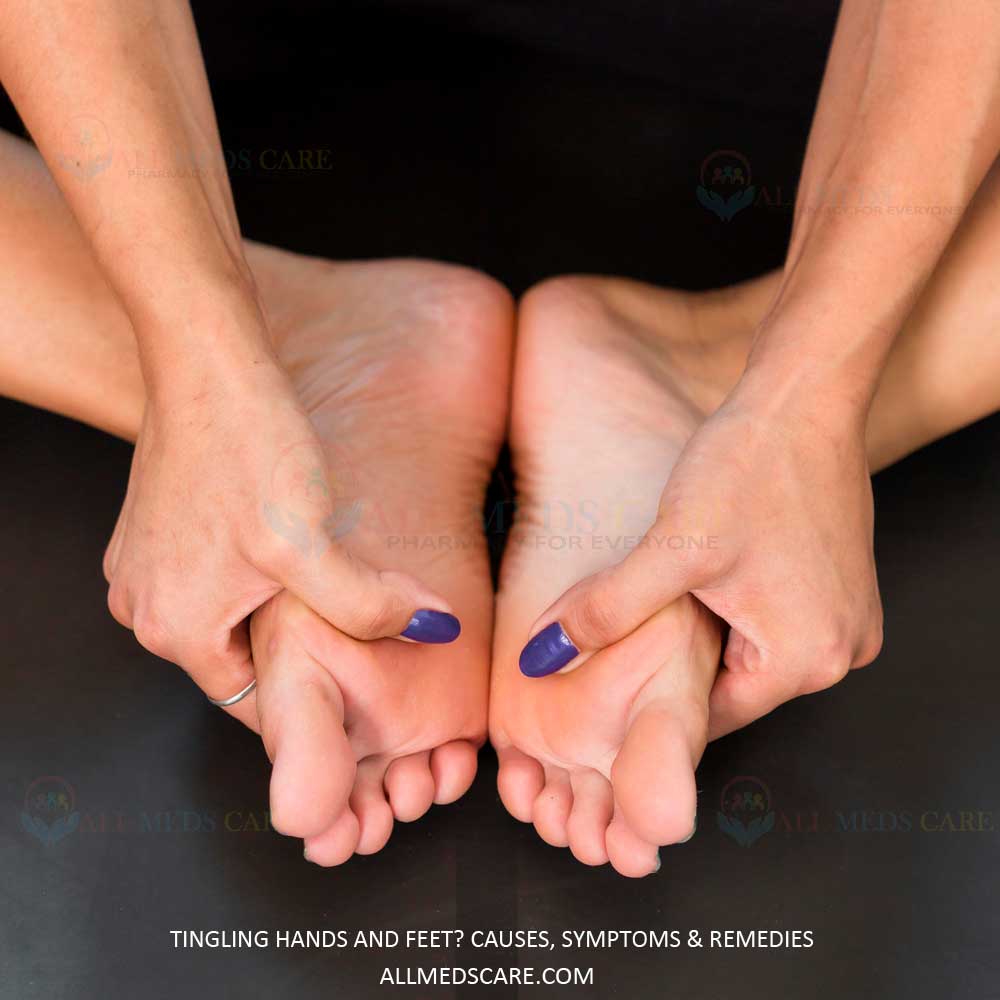
Why Do I Have Tingling Hands and Feet? Causes, Symptoms & Remedies

Why Do I Have ? Have you ever wondered why your hands or feet start tingling out of nowhere, almost as if tiny pins and needles are crawling under your skin? This medical term is known as paresthesia, and this feeling is tremendously widespread and can manifest itself in the form of numbness, buzzing, prickling, or even mild burning.
While many people dismiss it as a leg “falling asleep” or temporary nerve pressure, tingling hands and feet may also be your body’s way of signaling an underlying health issue. From peripheral neuropathy due to diabetes to vitamin deficiency tingling symptoms, poor circulation, or even MS tingling symptoms, the causes vary widely.
This article explores the real reasons behind tingling hands, feet, or both, the difference between numbness vs tingling, when to take it seriously, and the best home remedies for tingling hands and feet that help.
What Does Tingling Hands and Feet Really Feel Like?
Tingling feelings may be slight and momentary, or they can be severe and bothersome. It is described by many as:-
- Pin pricks and pins and needles underneath the skin.
- Numbness vs tingling confusion-the feeling of you still not having feeling or your nerves are just tingling.
- Coldness, burning pain or crawling on fingers, toes or entire limbs.
When reduced, tingling lasts a short duration like when we have stayed in an uncomfortable position overnight. But chronic tingling hands and feet can signal deeper nerve damage or circulation problems.
Common Causes of Tingling Hands and Feet
Transient or Injurious Causes
- Straining nerves: cross-legged sitting or resting on your arm may compress the nerves, causing nerve tingling.
- Cold exposure: The blood flow may be hampered leading to temporary numbness and tingling.
- Hyperventilation: Rapid breathing, resulting in a reduction in carbon dioxide, may make the face tingle.
- All these cases normally clear up after relieving the pressure or when the circulation has been restored to normalcy
Medical Conditions Behind Tingling
Here’s where tingling hands and feet become a medical red flag:
- Peripheral neuropathy – The most common cause, often linked to diabetes nerve damage, alcoholism, or long-term medication use.
- Vitamin B12 deficiency – Without B12, nerves struggle to transmit signals, leading to vitamin deficiency tingling symptoms.
- Carpal tunnel syndrome – Wrist stress on the wrist strains the median nerve resulting in feeling tingly and numb in the fingers.
- Pinched nerves – Herniated discs or spinal problems can lead to tingling in hands, feet, or both.
- Drug side effects and toxins – There are side effects of certain drugs or metals that impact nerve health.
- Pregnancy, kidney or liver diseases – This either affects the fluids or the clearance of toxins precipitating the nerve irritation.
- Infections/autoimmune diseases –Tingling may be a symptom of an autoimmune disorder or infection like lupus, Lyme disease or HIV.
Serious and Quiets Causes
- Tingling in your hand (peripheral neuropathy) – Another early sign of this nerve damage disease.
- Fibromyalgia or vasculitis – Chronic pain and blood vessel inflammation can cause tingling hands and feet.
- Guillain-Barr syndrome or stroke – Sudden numbness and weakness or paralysis are a matter of emergency.
Mental Health and Tingling
Have you ever known that well that anxiety causes tingling? Stress and panic attacks lead to rapid breathing, poor circulation, and nerve overstimulation, creating tingling in fingers and toes. This is not a physical issue and people confuse it with a physical disorder.
Other Signs and Symptoms To Watch w.r.t Tingling Hands and Feet
Tingling is in general just one part. You are not the only one who should be cautious when you notice the following:-
- Progression from tingling to numbness.
- Burning pain or stabbing
- Weak muscles or inability to balance
- Tingling spreading beyond hands and feet.
These may indicate advancing nerve damage that needs urgent medical attention.
When Is Tingling Serious?
A key search query is “when is tingling serious?” The answer:
- Sudden tingling with weakness, slurred speech, or facial droop → Possible stroke, call emergency services.
- Onset of paralysis or infection symptoms at an accelerated rate → Seek urgent care.
- Tingling that persists for weeks without a clear cause → Schedule a doctor’s visit.
Do not neglect painless, developing or persistent numbness in hands and feet.
Testing & Diagnosis
Physicians can prescribe:-
- Blood test (testing the glucose level, vitamins, thyroid levels).
- Conduction studies along the nerve / EMG (peripheral neuropathy).
- MRI or CT scan (to eliminate the possibility of MS or spinal causes).
- Occasionally nerve biopsy can be used.
- Early testing for nerve damage improves treatment outcomes dramatically.
Medical Options & Treatment
Depending on the cause, the treatment is best:
- Management of diabetes to limit the progression of peripheral neuropathy.
- Vitamin deficiency tingling symptoms – supplements of vitamin B12.
- Numbness of the fingers of the hand by carpal tunnel release surgery or splints to counteract the pressure on the nerves.
- Physiotherapy treatment for straightening and movement.
- Drugs: Analgesics, anticonvulsants or antidepressants to treat nerve pain.
- Lifestyle modification: Cutting down on alcohol, diet control and exercise.
Self-Care and Home Remedies
- Looking for home remedies for tingling hands and feet? These may be of real help
- Vary position frequently: Take care not to sit long at a time
- Massage and stretching: Enhance the blood flow.
- Epsom salt baths are relaxing to muscles and nerves.
- Cold or warm compress to relieve swelling.
- Safety shoes & ergonomic workstations avoid pressure injuries
- Exercise improves good circulation and nerve conditions.
They are essential as the foot checks of diabetics and senior adults help them to prevent negligence of minor injuries.
Prevention Tips
You can decrease the risks of tingling with:
- A nutritious diet consisting of a high level of B vitamins and antioxidants.
- Workplace ergonomics
- Preventing repetitive strain injury
- Using supportive shoes
- Focusing on healthy circulation by taking the time to walk and drink water each day.
- Children and elderly
- Children: Tingling can be caused by growth problems, viral infections or improper posture.
- Older adults: More at risk in case of diabetes, poor circulation or degenerative nerve disease.
Myths & Misconceptions
- “All tingling is serious.” Not so it is many of the instances are harmless
- “Taking vitamins always cures tingling.” Works only in case the root cause is a deficiency
- “It’s safe to ignore tingling.” Chronic symptoms can never be overlooked
Common Concerns related to Tingling Hands and Feet
Q: Why do my hands and feet tingle?
Causes can include temporary pressures on nerves all the way to peripheral neuropathy, insufficient vitamins or MS tingling.
Q: What’s the difference between numbness vs tingling?
Tingling is an Itchy or electrical feeling and numbness is a loss of feeling.
Q: When is tingling serious?
A sudden one, spreading, or with weakness, slurred speech, or paralysis.
Q: Can home remedies for tingling hands and feet help?
Yes-mild cases are corrected with posture correction, massage, Epsom salt baths and changes with ergonomics.
Tingling hands and feet are pretty common
- Tingling in the hands and feet may not prove to be dangerous, but it could also be an indicator of nerve damage.
- Differentiate between numbness and tingling to measure the severity.
- Some of the common medical causes include peripheral neuropathy, vitamin deficiency tingling sensations, carpal tunnel syndrome and tingling sensations as a result of multiple sclerosis.
- Home remedies for tingling hands and feet can help, but early testing for nerve damage ensures proper treatment.
- By listening to your body and being prompt, you can prevent disorders of your nerve health and circulatory system and your well-being as a whole.

About John Davis
Healthcare Writer & Medical Content Author
John Davis is a content creator in healthcare with a career at AllMedsCare that consists of writing articles with knowledge for patients on pharmaceutical topics, health issues related to men and women’s health, sexual health during pregnancy, procedures, exercising, and... Read More
View all posts by John Davis


