
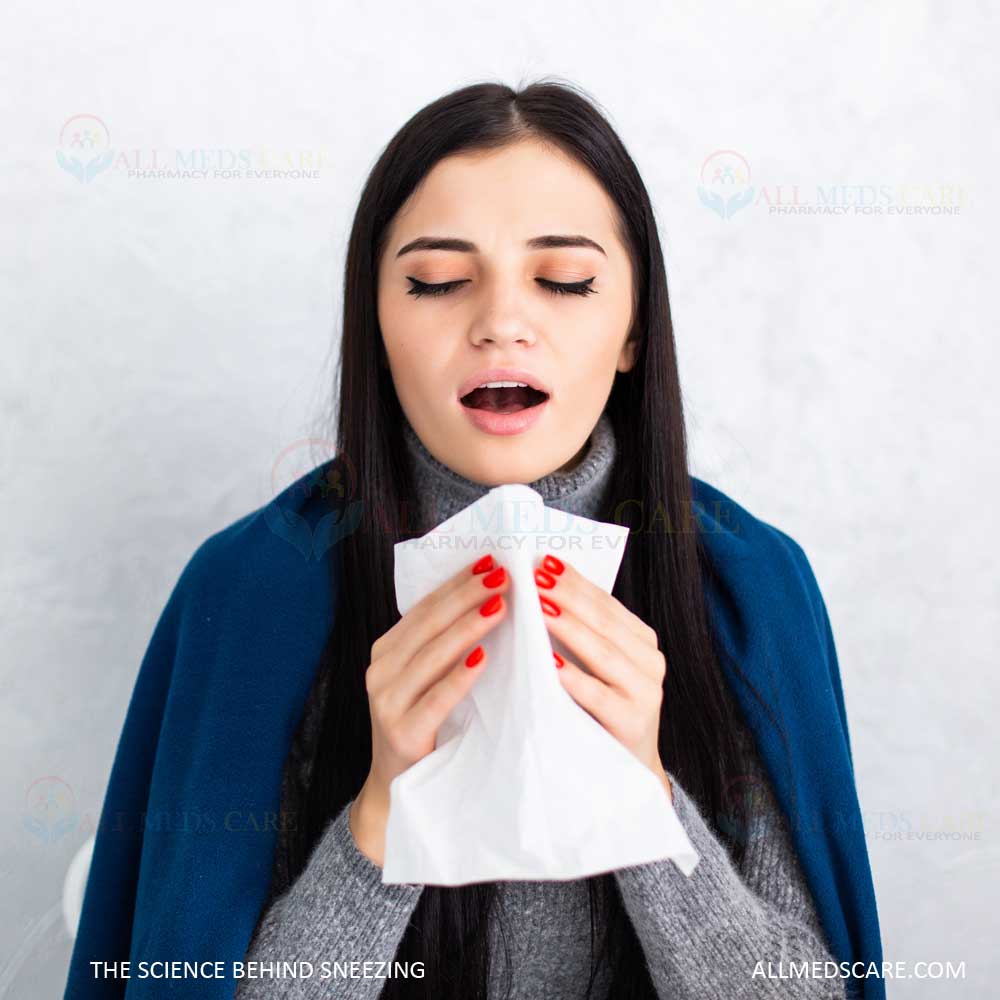
The Science Behind Sneezing: Causes, Triggers, and Treatments

Sneezing also known as sternutation is one of the body’s natural reflexes. It occurs when the passages of the nostrils are required to be cleared of irritants. But why is it that we sneeze, most especially in the morning, after a bath, or after taking a glass of cold water?
Maybe it is high time to speak about the causes of sneezing, the cases when people sneeze on things or situations which are absolutely ‘unsuspected’, and the role of sneezing as the body’s defense mechanism.
When sneezing happens?
- Morning sneezing happens
Most people have the flu and sneeze in the morning. This can often be caused by allergic rhinitis or more specifically hay fever whereby in response to allergens such as dust mites or pollen, the immune system overreacts. Concerning the effects of allergens, allergens come in the morning when they had all night on bedding to act on your nasal passages when you wake up.
Also contributing to morning sneezing is a condition referred to as chronic nonallergic rhinitis. This is a situation when your nasal passages become oversensitive to fluctuations in temperatures as well as humidity levels, both of which are revealed in the morning.
Treatment:
-
- To reduce it, experts recommend:
- It is also important that you should change your pillowcases and your sheets every week to reduce allergens.
- Bedclothes and pillows made of hypoallergenic materials, etc.
- To normalize the humidity of the air it is possible to place a humidifier in the bedroom to sleep with.
- Sometimes, you can use nasal irrigation saline nasal drops from a trusted pharmacy like Allmedscare.com, or an antihistamine to reduce the sensitivity of the nasal passages.
- Sneezing After a Bath: Why Does It Happen?
People imagine that sneezing after a bath is a bit strange, but there is a biological reason behind it. Think about it, when you shift from a warm shower to a cooler room, the air hitting your face makes your nasal nerves activate and you start to sneeze.
This reaction comes under a class of conditions well understood as non-allergic rhinitis. Some of the nerves present in your nose can overreact to a sudden change in temperature, leading to sneezing as a way of wiping out irritants in your nasal passage.
- Treatment:
- Stay in a cozy spot while drying off to prevent sudden shifts in temperature. Opt for showers that are warm or lukewarm instead of scalding hot to lessen the temperature difference. If the issue persists it might be worth talking to a doctor about your symptoms to explore options such as nasal sprays aimed at soothing irritation.
- Sneezing After Drinking Cold Water: Have you ever taken a drink of water and suddenly felt the urge to sneeze? While this occurrence is relatively rare it is still worth mentioning. The cold sensation can activate the trigeminal nerve that extends across your face, including your nasal passages. When the cold water comes into contact with your throat this nerve may mistakenly trigger a response in an attempt to clear out any potential irritants. Sneezing of this nature is usually harmless and not indicative of an underlying health issue. It’s just a reflex, to the cold stimulus.
-
- Treatment:
- Choose room temperature if you find out that this causes constant sneeze.
- You can also take cold water slower while swimming and gulp down a mouthful of water so the body reacts to the change in temperatures without a snap.
- Treatment:
- Sneezing has another function a protective one: It will also be important to indicate that sneezing constitutes an essential function in the protection of your body against certain environmental hazards. Whenever you breathe in dust, pollen, or smoke the mucosal linings of the nose can sense these intruders. This leads to the brain sending signals to your diaphragm and chest muscles to expel air through your mouth and nose and remove the irritants. Sneeze is known to expel particles through the air at a rate of up to a hundred miles an hour through tiny droplets. As much as this might be good for you, it is one of the reasons why it is important not to cover your nose and mouth when you sneeze.
- Unusual Sneezing Phenomena: Sneezing is a common reflex but not everyone reacts to it in the same way. Here are a few lesser-known triggers that can make people sneeze. Sneezing can sometimes be set off by feelings like joy or tension according to reports. Although the exact reasons behind this are not well understood it is believed to be connected to the way the nervous system reacts to emotions.
-
- Photic: Around 18 to 35% of individuals tend to sneeze when suddenly exposed to bright light, particularly sunlight. This phenomenon is referred to as the photic sneeze reflex or ACHOO syndrome (Autosomal Dominant Compelling Helio Ophthalmic Outburst). While the exact mechanism behind it remains unclear researchers suggest that the optic nerve’s response to light inadvertently activates the trigeminal nerve responsible for triggering sneezes.
- Exercise-Induced: Some individuals experience sneezing post-workout. During exercise increased airflow through the passages can dry out the membranes causing irritation and triggering a sneeze reflex.
- Why You Sneeze Multiple Times in a Row: Have you ever stopped to think about why one sneeze never seems to be enough? When you sneeze repeatedly it’s your body’s way of making sure that any irritants are cleared out from your nose. If the first sneeze doesn’t do the trick your body will keep sneezing until everything is completely out. You might find yourself sneezing multiple times when allergens are at play because your body is working hard to get rid of pesky particles that keep bothering your nasal passages.
- Understanding Sneezing Better: Sneezing is not just a response of the body. It acts as a defense system to get rid of unwanted substances although it can be triggered by different factors such as changes in temperature, allergies, or even bright lights. Knowing why you sneeze in situations like in the morning or after a bath can empower you to manage the issue better and seek treatment.
Key Takeaways on Sneezing:
It is commonly caused by allergens or changes in the environment around the person. And when you sneeze, especially after a bath it simply means the temperatures have shocked the nerve senses in the nasal area. Even taking a sip of water can trigger the trigeminal nerve that causes sneezing.
Blessing is a way through which the irritants within the respiratory tract are expelled from the body. Flashing lights exercise, and stress all cause sneezing, even when we least expect it.

About John Davis
Healthcare Writer & Medical Content Author
John Davis is a content creator in healthcare with a career at AllMedsCare that consists of writing articles with knowledge for patients on pharmaceutical topics, health issues related to men and women’s health, sexual health during pregnancy, procedures, exercising, and staying healthy.
His publications aim to take difficult medical and health issues and simplify them sufficiently for the average reader to be able to read them easily. Most of his articles of his describe treatments, medicines, risks, precautions, symptoms, recovery tips, and more.
Career in Content Creation
John Davis has been working in healthcare content creation for many years where his specialization is medicine and pharmaceuticals. The publications he writes contain only two purposes – to explain to people their health and treatment conditions without using difficult medical terms.
AllMedsCare, a healthcare consumer site, makes good use of the expertise of a qualified healthcare writer who provides vital content to people seeking information about medications, diseases, sexual and reproductive health, family health, pregnancy, healthcare processes, and health and fitness.
Davis's latest articles include topics such as gestational diabetes and pregnancy, premature ejaculation, heart rate categories, and tonsillectomy and its aftermath.
His academic background is in health sciences, which has equipped him with the necessary knowledge of human health and disease processes, as well as the scientific and communication aspects of health education.
Area of Research & Expertise
- Healthcare sciences
- Content development in medicine
- Drug information
- Education of patients
- Health communication
- Diseases and therapies
- Health and disease prevention
Areas of expertise
- Brand and generic drugs
- How to use and take drugs
- Men's and sexual health
- Erectile dysfunction and premature ejaculation
- Women and reproduction
- Pregnancy process and maternal health
- Most common diseases
- Medical procedures and rehabilitation
- Physical activity and healthier lifestyle
- Patient education
Content Approach
He strives to make healthcare knowledge globally understandable for the general public. His editorial philosophy is based on the explanation of medical issues, the guidelines for treatment, the vaccination methods, the side effects of medications, the suggested precautions, etc.
Professional Profile
Name: John Davis
Field: Healthcare & Medical Content
Qualification: B.S. in Health Sciences
Institution: University of Michigan
Professional Focus: Medical Content, Health Education & Healthcare Communication
Organization: AllMedsCare
Role: Healthcare Writer & Medical Content Author
View all posts by John Davis


