
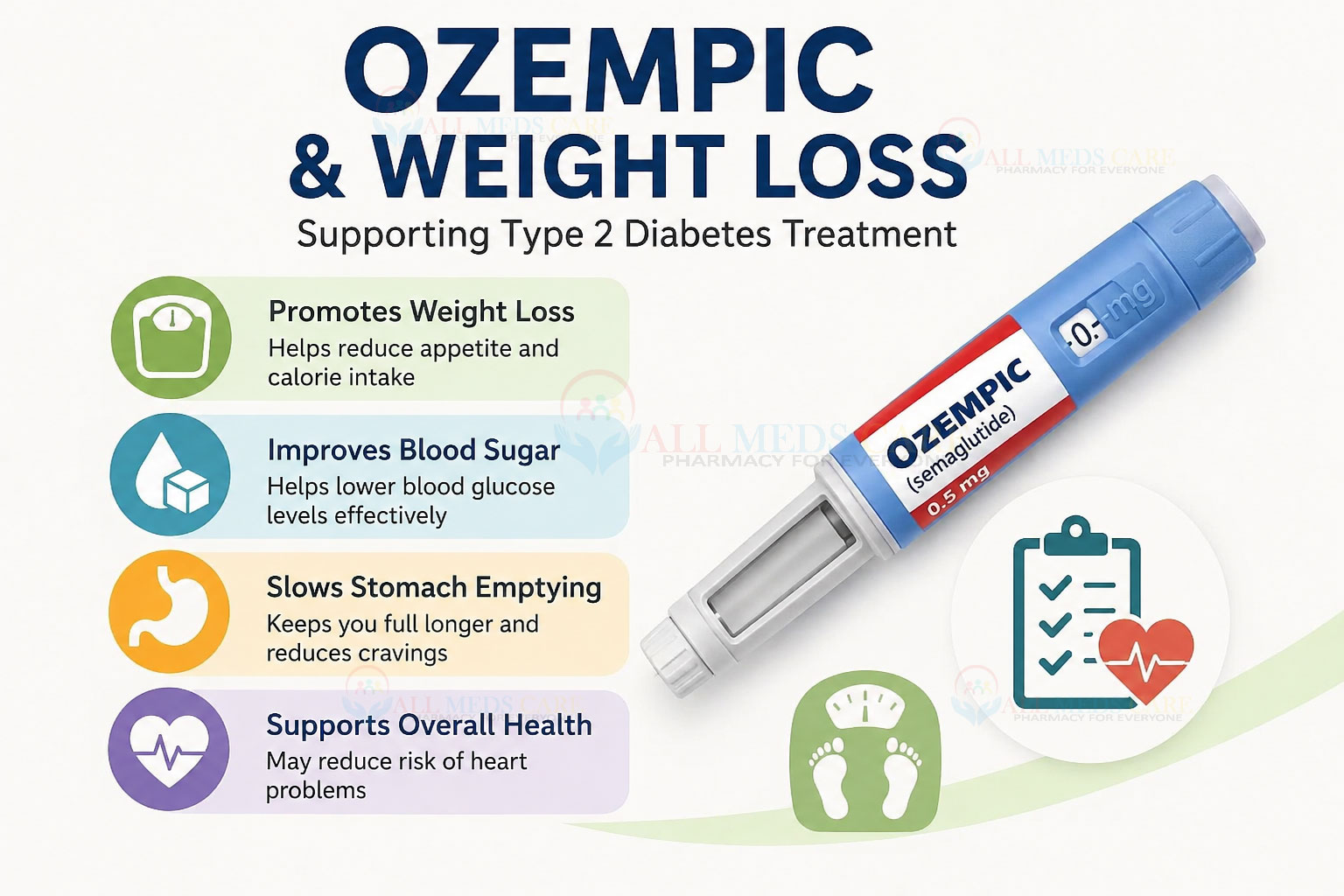
How Ozempic Supports Weight Loss While Managing Type 2 Diabetes

Type 2 diabetes, which is a chronic disease, affects a huge number of individuals across the world. The initial treatment approach in managing type 2 diabetes is to manage blood sugar levels, but it is noteworthy that most individuals suffering from this condition are often overweight, a fact that causes more insulin resistance or increases the risk of developing cardiovascular diseases and kidney problems. Recently, there has been great interest in the use of Ozempic (semaglutide) for achieving great weight loss and improved management of blood sugars.
The drug, Ozempic, was originally approved for treating type 2 diabetes, but scientists and doctors began to observe that many who used this drug appeared to lose weight continuously. Patients should be informed about the drug itself and how it works, so that they can see the value in the drug in the treatment of diabetes and the importance of a healthy lifestyle.
What Is Ozempic?
Ozempic is an injectable prescription drug that contains a glucagon-like peptide-1 (GLP-1) receptor agonist (semaglutide) and is given once a week. GLP-1 is a naturally produced hormone that is secreted following a meal from the intestine. It is important in the regulation of blood sugar, insulin secretion, appetite and digestion.
Ozempic mimics the actions of this natural hormone, allowing individuals with type 2 diabetes to keep glycemic control within a normal range and perhaps even experience weight loss.
How Does Ozempic Help Lower Blood Sugar?
One of the key roles of the drug Ozempic is to enhance the body’s capacity to control blood sugar.
It works by:
- Boosting insulin levels when they are high
- Decreasing the production of glucose in the liver.
- Exercising a greater control over glucagon secretion after meals
- Giving the stomach time to empty food.
These all together help in lowering the blood sugar spike after food intake and in glucose management.
Why Does Ozempic Lead to Weight Loss?
Unlike many traditional diabetes medications that may lead to weight gain, Ozempic often assists patients in losing weight through various interconnected biological mechanisms.
1. Appetite Suppression:
The drug targets appetite-regulating centres in the brain, which are involved in the regulation of appetite or satiation. Patients often report being satisfied after eating smaller meals and not being as hungry during the day.
With the reduction of calorie intake, weight loss is likely to happen slowly.
2. Slower Gastric Emptying
Ozempic delays the food from entering the small intestine from the stomach.
Food stays in the tummy longer, and individuals may feel satiated for quite some time after eating. Meals leave the kids feeling full longer and thus increase the amount of time in between snacking and overeating.
The slow digestion also helps to maintain a more stable level of blood sugar after meals.
3. Reduced Cravings
Cravings for high-calorie foods, sugary snacks and obsessions with portions and quantities generally decrease amongst a lot of individuals who experience the effects of the medicines. Many people who have noticed the effects of the medications report reduced cravings for high-calorie foods, sugary snacks, and large portions.
This is thought to be because GLP-1 receptor activation affects the reward mechanisms in the brain that make food more interesting and are more likely to regulate appetite.
4. Improved Insulin Sensitivity
The weight loss results in greater sensitivity of the cells, which makes it easier to use the glucose.
During the period of weight loss experienced by patients taking Ozempic, their bodies tend to be more insulin sensitive, which can lead to a beneficial cycle of metabolism.
The Relationship Between Weight Loss and Type 2 Diabetes
There is a strong association between overweight and insulin resistance.
As body fat (particularly belly fat) builds up, the cells become more resistant to insulin. The pancreas needs to secrete more insulin to keep the blood sugar level normal.
Even a 5% – 10% weight loss can make a big difference in insulin sensitivity and blood glucose levels.
Ozempic can be helpful for many patients along the way by helping to create an easier path to healthy eating habits.
Clinical Benefits Beyond Weight Loss
While weight loss is a huge topic, there are several other health benefits for those with type 2 diabetes through the use of Ozempic.
Potential advantages include:
 Improved HbA1c levels
- The level of fasting blood glucose control is improved.
- Lowering the risk of cardiovascular events in those who are eligible
- In some people, it may help to reduce blood pressure.
- When coupled with lifestyle modifications, improvements in cholesterol levels occur.
- Improved longterm diabetes control
 Improved HbA1c levels
Overall, these benefits are associated with improved health and can decrease the risk of complications associated with diabetes.
Who May Benefit from Ozempic?
Doctors can prescribe Ozempic for adults who have type 2 diabetes and who are seeking further blood sugar control in the absence of diet, exercise or other medications such as Erly 6mg, Mounjaro 5mg.
In addition, overweight or obese patients may also lose weight significantly when using Ozempic, under the care of their medical professional.
But don’t use Ozempic to treat type 1 diabetes, and use it only as recommended by a health care provider.
Lifestyle Changes Still Matter
While the Ozempic diet can help you lose weight, it isn’t a replacement for good eating habits.
The best results are obtained with medication and:
- Eat a well-balanced diet with plenty of vegetables, lean protein, whole grains and healthy fat.
- Regular physical activity
- Adequate hydration
- Consistent sleep patterns
- Stress management
- Routine medical follow-up
The basics of effective diabetes management still hold: enhancing a sustainable lifestyle.
Possible Side Effects
As with any drug, there are side effects to consider when using Ozempic.
The most commonly reported include:
- Nausea
- Vomiting
- Diarrhea
- Constipation
- Stomach discomfort
- Decreased appetite
Symptoms are generally mild to moderate and typically get better with treatment.
If patients have severe abdominal pain, symptoms of an allergic reaction or other troubling symptoms, they should seek immediate medical attention.
Who Should Avoid Ozempic?
Not everybody is a good candidate for “Ozempic.”
Patients should tell their health care provider about all of their medical conditions, including, but not limited to:
- A personal or family history of certain thyroid tumours
- Pancreatitis
- Severe gastrointestinal disease
- Pregnancy or plans to become pregnant
- Serious kidney problems
Medication is administered under medical supervision, which helps to ensure its safe and effective use.
Frequently Asked Questions
How quickly does Ozempic cause weight loss?
Everyone loses weight at a different rate. Others may see a change within a few weeks, and others will see the weight changes gradually over several months. The effective dose, food intake, exercise and metabolism of the body will play a role in weight loss results.
Is Ozempic a weight-loss medication?
Ozempic can be used for the treatment of Type 2 Diabetes. While weight loss is one of the known side effects of semaglutide, it is important to use it for its intended indications or under the guidance of a healthcare professional.
Can weight return after stopping Ozempic?
Yes. Some people may put back on weight if they stop taking the drug and do not keep a healthy diet and exercise regularly. Long-term lifestyle changes continue to be key to long-term success.

About John Davis
Healthcare Writer & Medical Content Author
John Davis is a content creator in healthcare with a career at AllMedsCare that consists of writing articles with knowledge for patients on pharmaceutical topics, health issues related to men and women’s health, sexual health during pregnancy, procedures, exercising, and... Read More
View all posts by John Davis


